From 1 October 2026, Ofgem’s energy price cap is £1,723 a year for a household using a typical amount of electricity and gas. Analysts Cornwall Insight forecast that from January 2027 the cap will rise to about £1,999. That is an increase of roughly 9% – according to Rest Less, the biggest quarterly jump since January 2023.
Analysts cite a sharp rise in wholesale prices after the US–Iran conflict. They also warn that with low gas stocks the effects could last many months, and the April cap update could be even higher if reserves run out over the winter. The forecast is not a decision – Ofgem will announce the final cap for January–March.
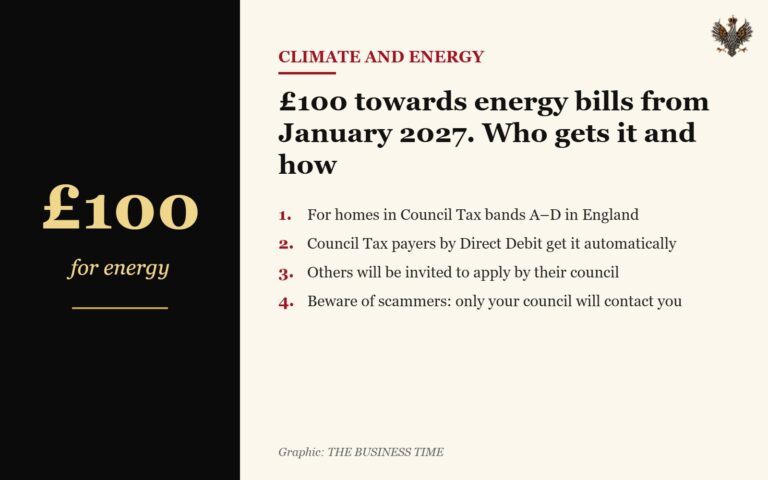
According to Rest Less, a lower rate of VAT on electricity has applied since October, which could save a typical home about £45 a year. Age UK is calling for the Warm Home Discount to be raised to £200 in the Budget on 28 October.
What it means for you
The cap applies to rates, not the whole bill – the more you use, the more you pay. A typical home could pay about £276 a year more from January than now. Small businesses are not covered by the Ofgem cap, so their contracts could rise even more on renewal.
Our assessment
A rise in January is very likely, because gas prices have already gone up. The Budget on 28 October will be key – if the government does not add support, winter will be more expensive for low-income families. We advise businesses not to leave contract renewal to the last minute.
What to do
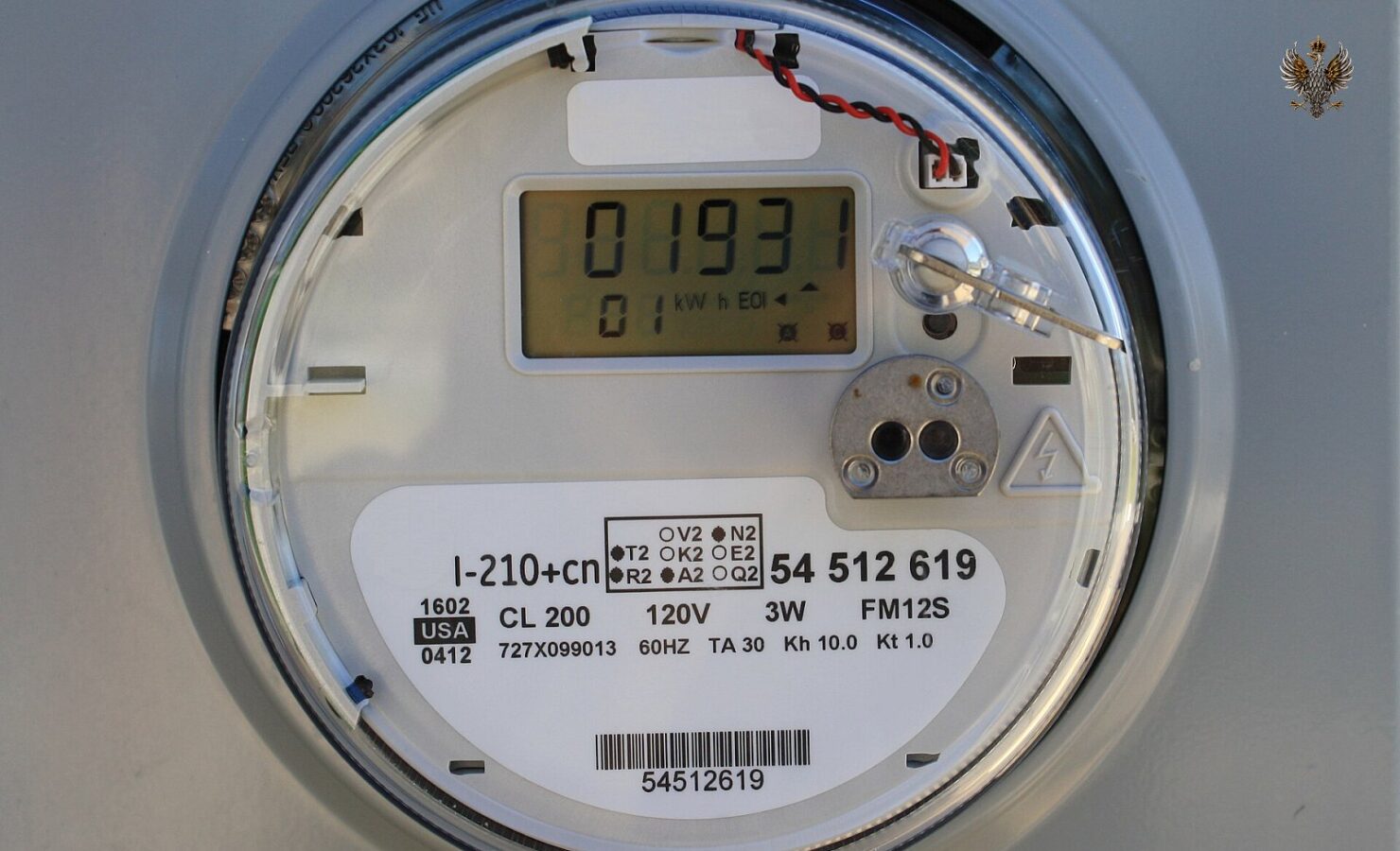
- Give your supplier an up-to-date meter reading before 1 January so you do not pay the new rate for old usage.
- Check whether you are entitled to the Warm Home Discount.
- If you are struggling to pay, ask your supplier for a payment plan – it must consider it.
- Businesses: compare fixed-price offers before your current contract ends.
Source: Rest Less (07.10.2026), Cornwall Insight forecast.
We assess factual corrections and substantive responses. Verified changes are reflected in our reporting.
Contact the editorial desk →