Wholesale gas prices in Europe are at their highest since the 2022 energy crisis. On Monday 26 October, contracts on the Dutch TTF exchange, which sets prices in Europe, rose above €97 per megawatt-hour. In the previous week, prices rose by about 7%.
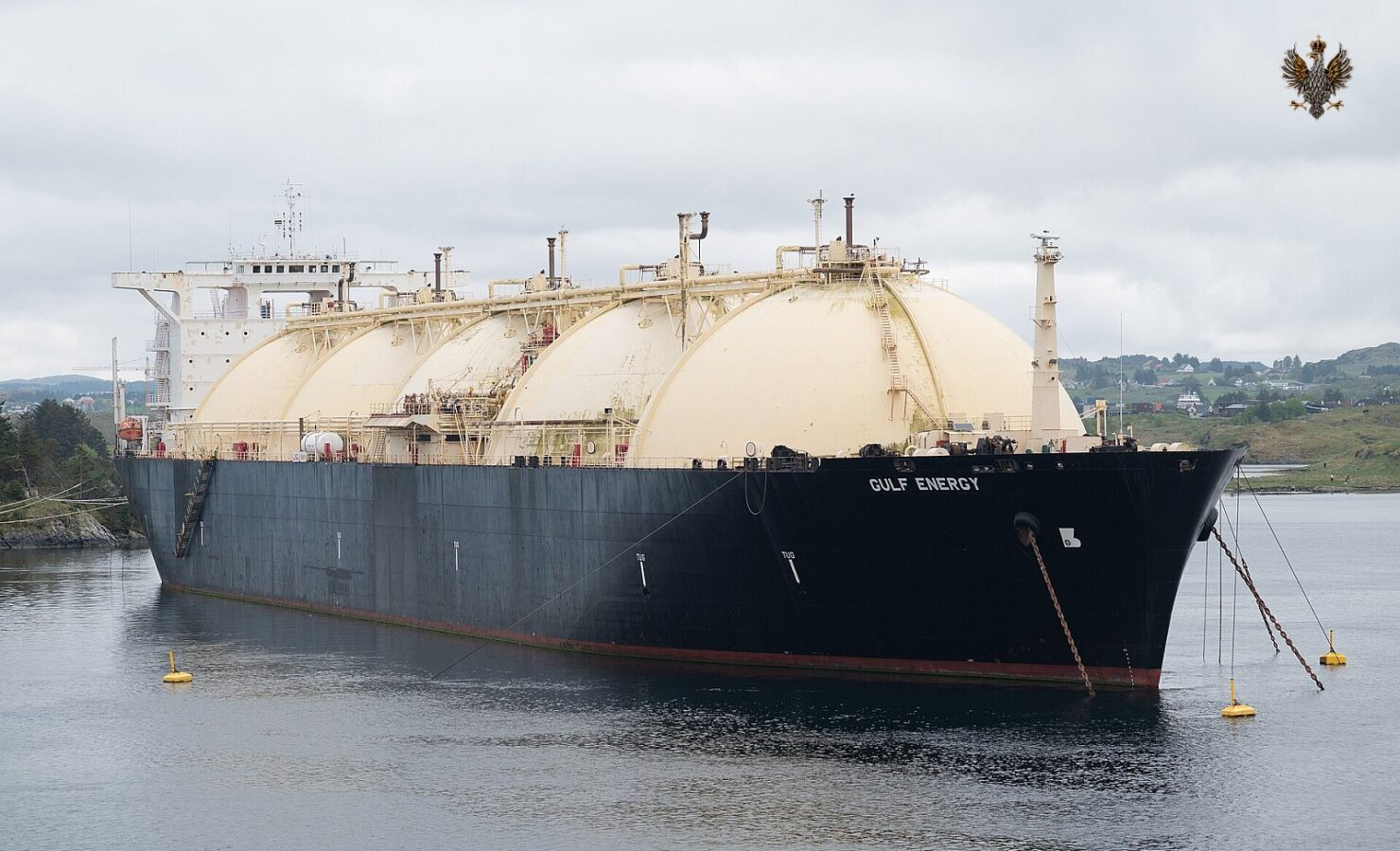
The main cause is the war in the Middle East. Deliveries of liquefied natural gas (LNG) from the Persian Gulf have fallen by about 80% compared with last year. Qatar, previously the world’s second-largest LNG exporter, has been sending only occasional cargoes for about seven months.
Europe also has smaller reserves than usual. On 25 October, EU gas storage was 74.62% full. That is almost 15 percentage points below the five-year average for that date. Some countries have already started drawing gas from storage because it has turned colder. The European Commission has urged EU countries to cut gas and electricity consumption. In France, electricity futures prices passed €200 per MWh – for the first time since January 2023.
What it means for you
The United Kingdom is not in the EU, but it buys gas on the same market. When gas becomes more expensive in Europe, it also becomes more expensive in the UK. Ofgem sets the energy price cap for households based on wholesale prices from previous months, so the current rises could push up bills from the new year. Businesses have no price cap – restaurants, bakeries, laundrettes and manufacturers whose energy contracts are ending will feel it most. In Poland, higher gas prices will also hit businesses and heating plants.
Our assessment
Until LNG tankers return to the route through the Strait of Hormuz, prices will stay high. A cold winter could push them even higher. We do not expect quick relief. Families should prepare for higher bills, and businesses should check their energy contracts now.
What to do
- Business: check when your gas and electricity contract ends and ask for quotes in advance.
- Home: submit a meter reading and consider a fixed tariff if your supplier offers one.
- See whether you qualify for help or a cheap loan for energy saving: Warm Homes Loan Scheme.
- Advice on bills: Ofgem.
Source: OilPrice.com (26 October 2026); London Loves Business (26 October 2026); Anadolu Agency (27 October 2026).
We assess factual corrections and substantive responses. Verified changes are reflected in our reporting.
Contact the editorial desk →