TBT CHECKS
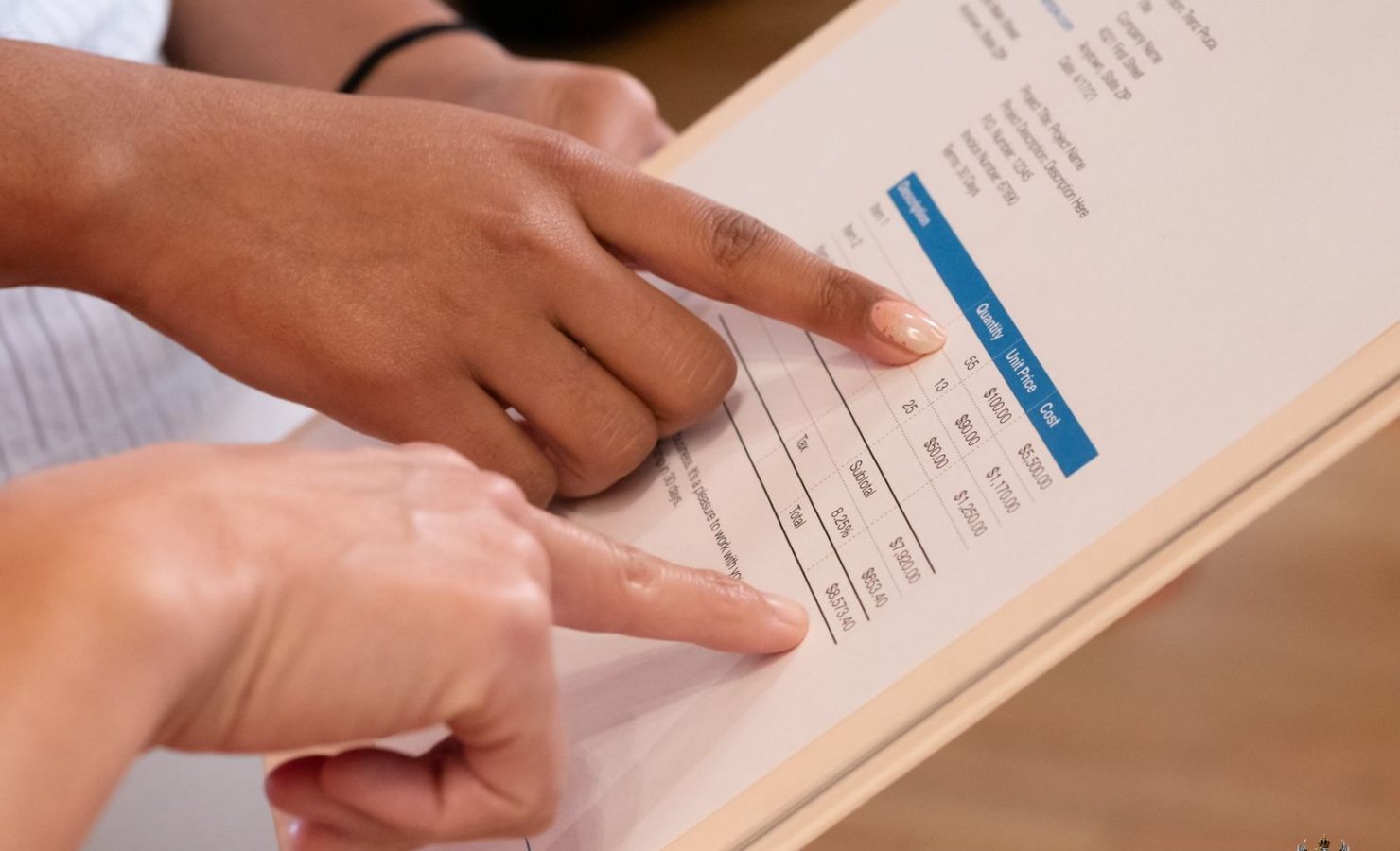
In January 2026 the National Crime Agency (NCA) and NatWest Group launched a campaign against invoice fraud. According to Action Fraud data for September 2025, in that month alone victims lost £3.9m in 83 reported cases, an average of more than £47,000 per case. Invoice fraud accounted for 85% of losses from so-called payment diversion.
The mechanism is always similar. Fraudsters impersonate a supplier, intercept email correspondence or send a convincing-looking invoice with a new account number and pressure to pay quickly.
The NCA advises: check every change of details on an invoice, verify it by phone with the supplier on a number you already know, and never transfer money until you are sure.
Editorial comment
This is one of the most dangerous frauds for small businesses, especially in construction, transport and trade, where there are many invoices and payments go out quickly. A single transfer can wreck a firm’s cash flow. The best protection is a simple procedure that everyone follows, including the boss: a change of account number always requires a phone call to the supplier.
What to do
- Introduce a rule: every change of account number is confirmed by phone on a known number, not the number in the email.
- For the first payment to a new account, send a small test amount and confirm it has been received.
- Turn on two-factor authentication for company email. A hijacked mailbox is a common starting point for fraud.
- Use Confirmation of Payee, which checks that the payee’s name matches the account number.
- Report fraud immediately to your bank (159) and to Action Fraud (Report Fraud).
What do you think?
Have you come across a scam like this? What worked and what didn’t? Tell us in the comments below the article. We will cover the most interesting views in future editions.
Sources
© THE BUSINESS TIME / Argonauts Media Group Limited. Original editorial content. Copying, downloading and distribution without the publisher’s written consent are prohibited. Illustrative photo: Pexels.
We assess factual corrections and substantive responses. Verified changes are reflected in our reporting.
Contact the editorial desk →