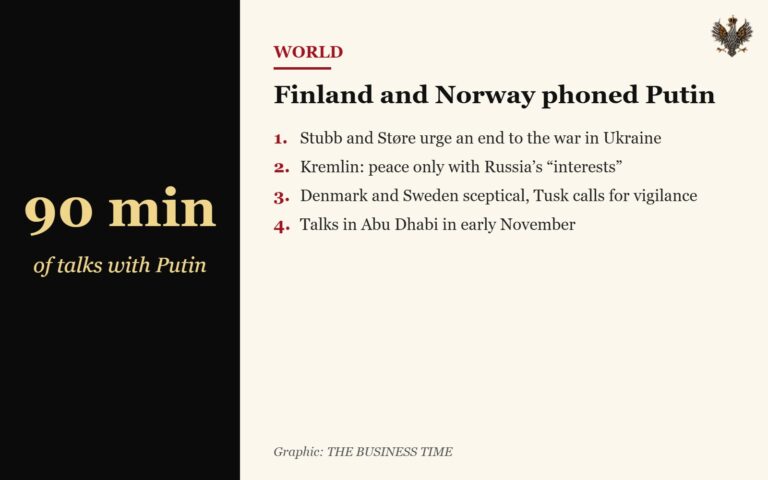
On the evening of Friday 16 October 2026 President Donald Trump suspended new sanctions on Russia provided for in an act named after Senator Lindsey Graham. He signed the act in September 2026, after the Senate passed it by 86 votes to 11. It provided, among other things, for secondary sanctions on countries buying Russian oil – in practice mainly China and India. The White House said enforcing the sanctions now would hamper peace negotiations between Ukraine and Russia.
The decision drew criticism from politicians of both US parties. Ukrainian President Volodymyr Zelensky wrote that the act “could have helped a great deal” and still can, but it must actually work. About a week earlier Trump had agreed to let Russia sell diesel on international markets. Secretary of State Marco Rubio said an assessment of the economic effects could take up to 60 days.
The oil market reacted with a fall. On the morning of Monday 19 October Brent was 1.9% cheaper ($107.8 a barrel), and US WTI 1% cheaper ($100.4). On Friday both prices closed at their highest since May, and Brent briefly touched $110. According to the analytics firm Kpler, oil flows from the Gulf fell during the week to about 8.5 million barrels a day, compared with more than 20 million a week earlier; at least 10 incidents involving merchant ships were recorded.
Editorial comment
For Polish businesses in the UK – transport, construction, catering and courier firms – the price of fuel and energy matters most. Monday’s fall in oil is good news, but a barrel still costs more than $100, and the situation in the Gulf remains tense. We would remind readers that the UK fuel duty freeze runs until 31 December 2026, and that Cornwall Insight forecast in late September that the household energy price cap would rise by about 16% from January 2027.
Editorial assessment (speculation): more Russian fuel supply may temporarily lower diesel prices, but you should not build your business budget on it – political decisions in the US change from week to week.
What to do
- Calculate how much your business spends on fuel and energy each month, and prepare a budget scenario with oil at $110–120.
- If you have a fleet, consider fuel cards or fixed-price contracts for several months.
- Add a fuel surcharge clause to contracts for new jobs.
- Check when your business energy contract ends and compare offers before winter.
- Follow the Budget on 28 October – the government may decide on fuel duty after 2026.
What do you think?
Do you feel this in your business? Tell us in the comments below the article. We will cover the most interesting views in future editions.
Sources
- Axios: Trump waives new Russia sanctions (17.10.2026)
- CNN: Trump waives Russia-related sanctions (16.10.2026)
- HDFC Sky: oil prices 19.10.2026
- Cornwall Insight: price cap forecast for January
© THE BUSINESS TIME / Argonauts Media Group Limited. Original editorial content. Copying, downloading and distribution without the publisher’s written consent are prohibited. Illustrative photo: Pexels.
We assess factual corrections and substantive responses. Verified changes are reflected in our reporting.
Contact the editorial desk →