From 1 October 2026, Ofgem’s energy price cap for a typical household is £1,723 a year – 4% more than in the summer. No wonder more and more families are asking: will solar panels pay off?
How much it costs
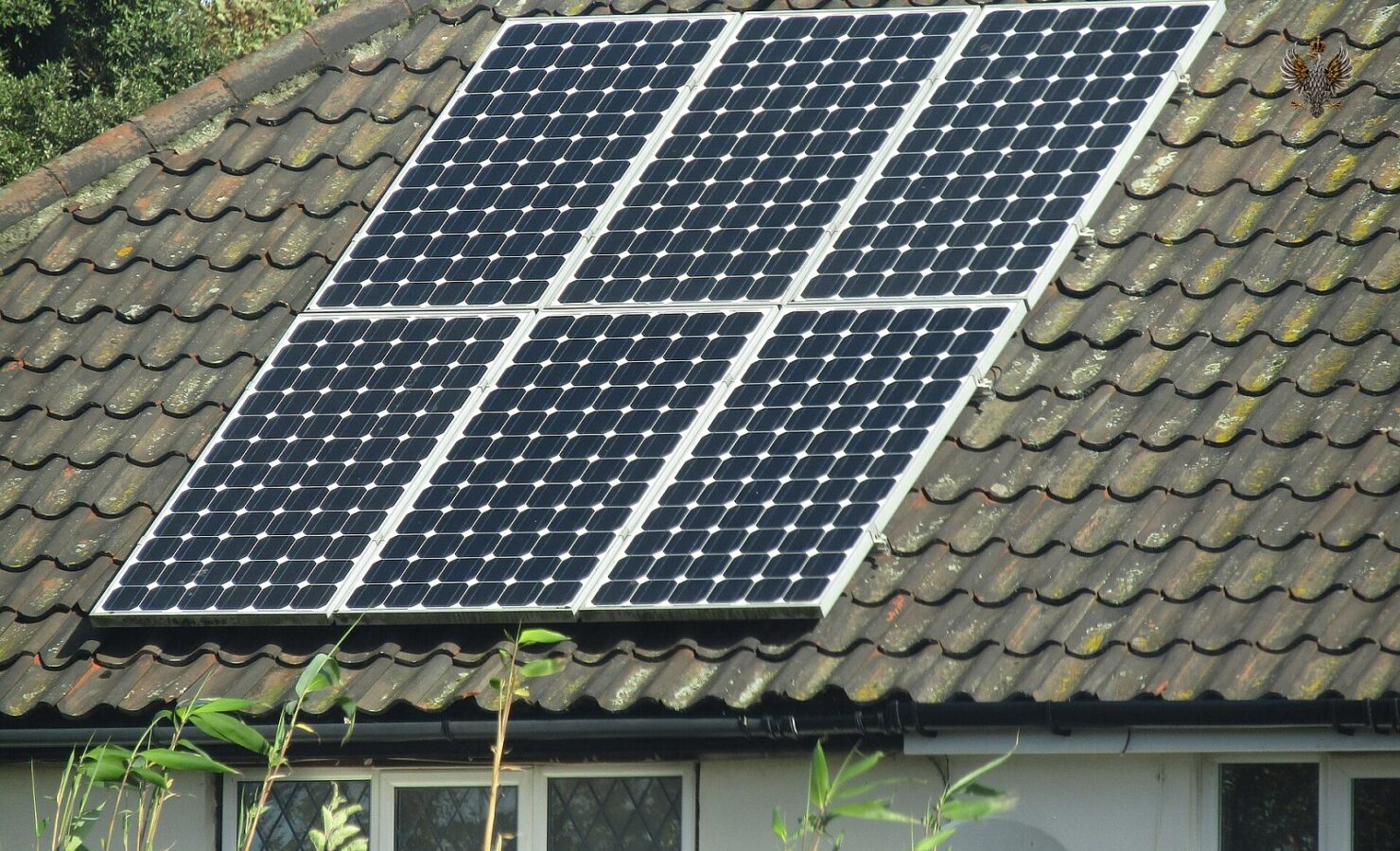
According to the Energy Saving Trust (data from 1.10.2026), a typical home system has a capacity of about 4.5 kWp – roughly 12 panels covering 20–30 m² of roof – and costs about £7,600.
How long it takes to pay back
- London: about 9 years,
- Manchester: 10–11 years,
- Aberystwyth (Wales): 9–10 years,
- Stirling (Scotland): 11–12 years.
The calculations include selling surplus power to the grid and energy prices from July 2026. Panels last 25 years or more; the inverter usually needs replacing after about 12 years.
Selling electricity to the grid
Under the Smart Export Guarantee your supplier pays for electricity you export to the grid – around 12p per kWh. When you buy electricity, you usually pay more than twice as much. The conclusion: it pays most to use your own power at home (laundry, dishwasher, charging the car during the day). In Northern Ireland you need to ask your supplier about a separate export tariff.
Is it worth it? Explained in plain English
Yesif you own a house with a south-, east- or west-facing roof, no shade from trees, and plan to live there for at least 10 years. Even better if someone is at home during the day or you have an electric car.
Probably notif you rent, your roof is heavily shaded or you plan to move within a few years.
Our assessment
At current energy prices, solar panels are one of the more sensible long-term investments for a homeowner – they pay back faster in southern England than in Scotland. The key is to size the system to your consumption and choose a reputable installer.
What to do
- Work out whether it pays for your home with the calculator from the Energy Saving Trust.
- Get at least 3 quotes from MCS-certified installers.
- Before signing a contract, ask about the warranty on the panels and the inverter.
What about you? Vote in our poll on the home page: is it worth installing solar panels?
Sources: Energy Saving Trust – Solar panels (updated 1.10.2026); Ofgem (26.08.2026).
We assess factual corrections and substantive responses. Verified changes are reflected in our reporting.
Contact the editorial desk →