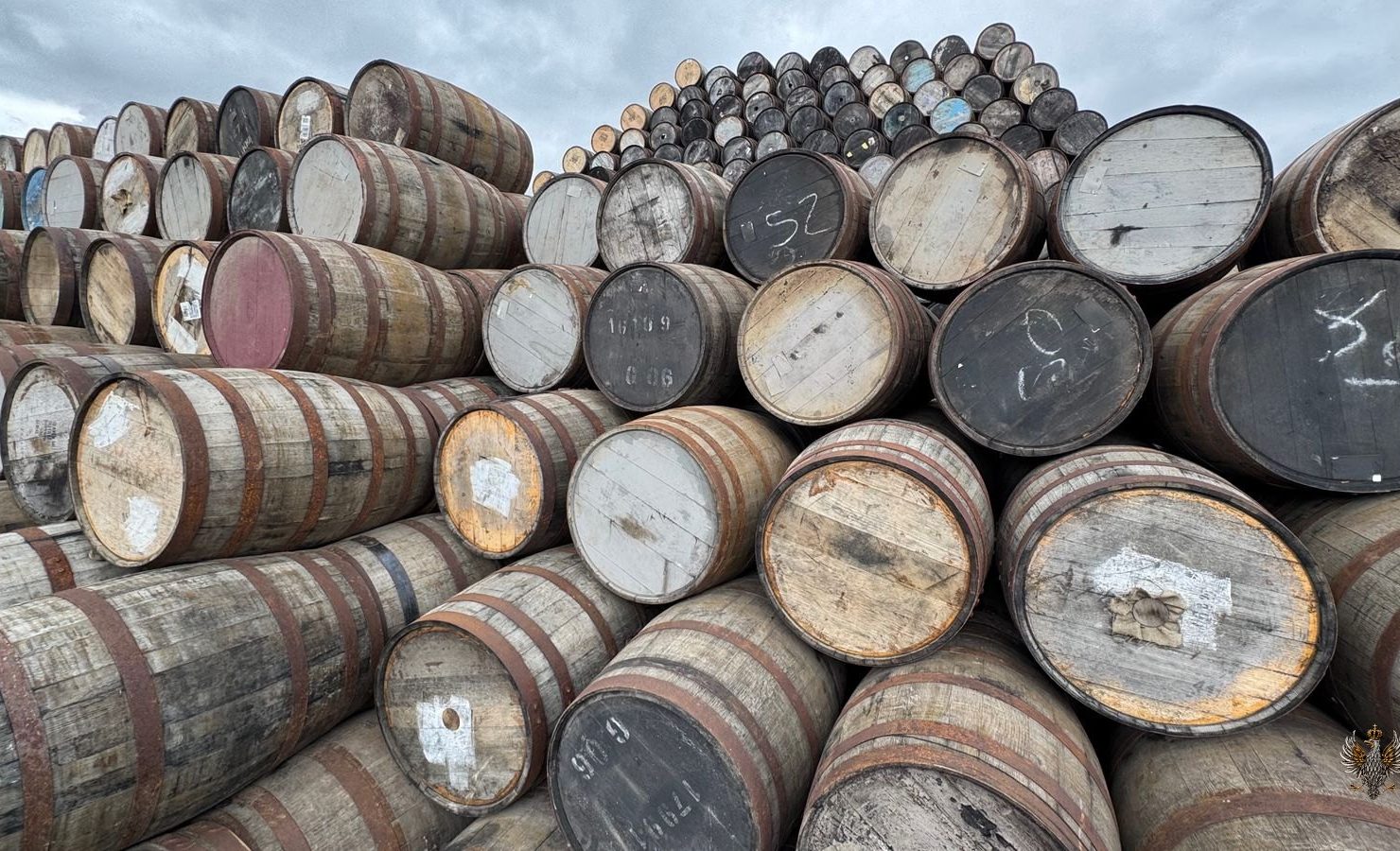
The best-known change concerns whisky and gin. The tariff in India fell immediately from 150% to 75% and will come down to 40% over 10 years. Some media report that it fell straight to 40%, which is not true.
India has also removed tariffs on a range of agri-food products, including fresh and frozen salmon, cod and lamb. Dairy, apples and cheese, among others, are excluded from the agreement.
The agreement also covers services and public procurement. British firms can provide some services, e.g. telecoms, construction and environmental services, without setting up a company in India. UK suppliers also gain access to some tenders by the Indian government and state-owned companies. Scottish Secretary Douglas Alexander says the task now is to turn lower tariffs into contracts and investment.
Editorial comment
A lower tariff does not automatically mean sales. India is a huge but demanding market: with its own food regulations, cold-chain logistics and strong local competition. Large whisky and salmon producers will benefit from the agreement fastest. Smaller firms, including Polish processors and distributors in Scotland, have a chance as suppliers to these big players or in niches. It is also worth remembering that the full cut in the whisky tariff will be spread over a decade.
What to do
- Check whether your product is covered by the cut. You will find the tariffs on the UK government’s service for trade with India.
- Learn the rules of origin. To benefit from the lower tariff, goods must meet the “made in UK” conditions.
- Contact Scottish Development International. It helps businesses enter foreign markets and organises trade missions.
- Service firms: check whether your sector is on the list of services that can be provided in India without setting up a company there.
- Calculate logistics and certification costs before your first offer. Expensive refrigerated transport can eat up the lower tariff.
Sources
Original editorial content by The Business Time, based on the sources listed. Illustrative photo.
We assess factual corrections and substantive responses. Verified changes are reflected in our reporting.
Contact the editorial desk →