Update 28.10.2026, 12:15: According to partial results (about half of the votes counted on Wednesday morning), Prime Minister Benjamin Netanyahu’s bloc has 54–55 seats, Gadi Eisenkot’s bloc 49, and the Arab parties 16–17. A majority requires 61 seats – so far no bloc has one. The largest party is Likud (about 27 seats). Around 600,000–650,000 so-called double-envelope votes (including soldiers’ votes) still have to be counted, so the results may change until Friday. President Isaac Herzog will then hold consultations and name a politician who will try to form a government. This threatens a long political deadlock. Source: Ynetnews, The Times of Israel (28.10.2026).
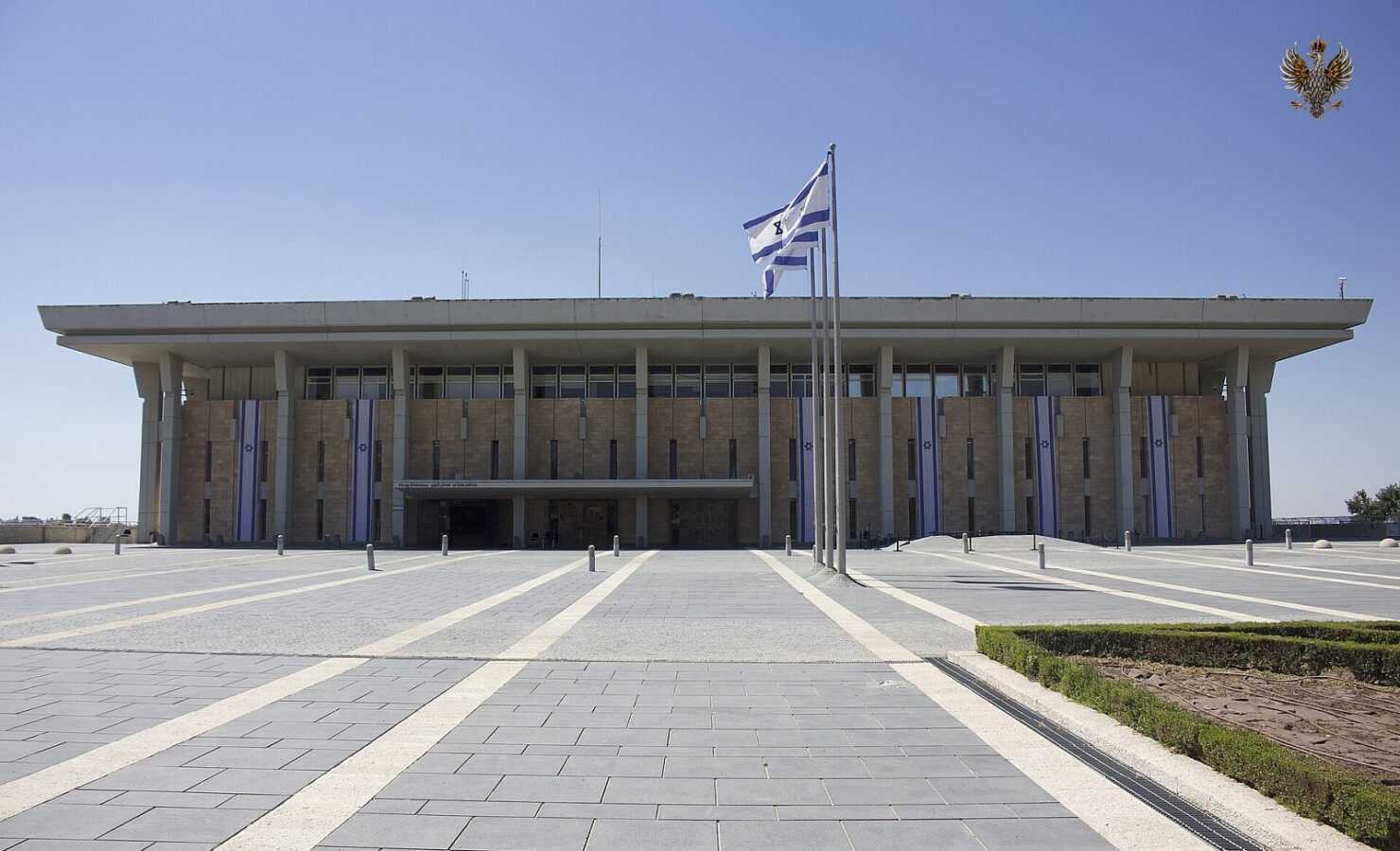
On Tuesday 27 October, Israelis are electing the 120-seat parliament, the Knesset. It is the first parliamentary election since the war in the Gaza Strip began in October 2023. About 7.3 million people are eligible to vote, including about 1.2 million Palestinian citizens of Israel.
Polling stations are open from 7:00 to 22:00 local time, that is from 5:00 to 20:00 UK time. The first exit polls will appear just after polling stations close. Full results are expected by Friday, and official results on 4 November.
A party needs at least 3.25% of the vote to enter the Knesset. A majority of 61 seats is needed to govern. The main contest is between the bloc of Prime Minister Benjamin Netanyahu and the opposition led by former army chief of staff Gadi Eisenkot. An average of polls by three Israeli TV channels on Friday gave Netanyahu’s bloc 50 seats and Eisenkot’s bloc 54. Former prime minister Naftali Bennett leads a separate list, Together (Beyachad).
If no bloc wins a majority, President Isaac Herzog will nominate a candidate for prime minister after talks with party leaders. The candidate has up to 42 days to build a coalition. Until then, the current cabinet stays in office. The main campaign issues are the failures before the Hamas attack of 7 October 2023, the hostages, corruption charges against Netanyahu and military service for the ultra-Orthodox.
What it means for you
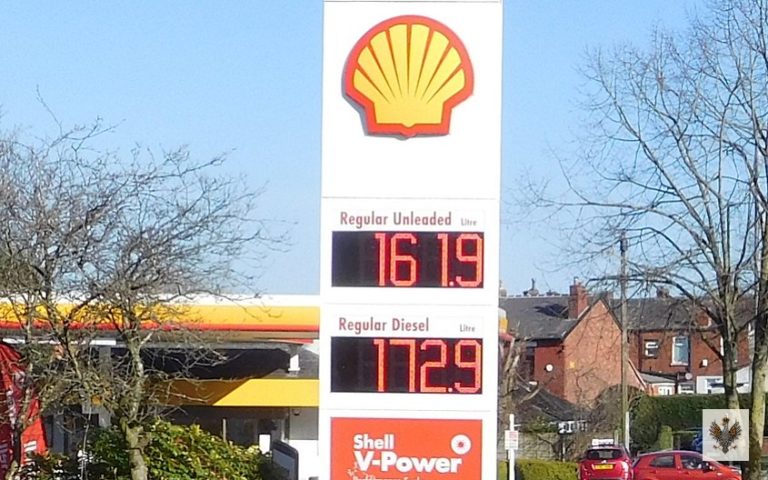
The Middle East today has a direct impact on wallets in the UK and in Poland. Oil and gas prices depend on the situation in the region, and through them bills, fuel and transport costs. Businesses trading with Israel and the Gulf states should expect several weeks of uncertainty, because forming a coalition may drag on. People planning a trip to Israel should check the current government advice before travelling.
Our assessment
Polls point to a close result and a likely deadlock. That means long negotiations, perhaps even another election. For markets, what matters most is whether a new government changes policy on Gaza, Lebanon and Iran. We do not expect a quick change.
What to do
- Before travelling, check the FCDO advice: Israel travel advice – GOV.UK, and from Poland – gov.pl.
- Businesses: check contracts with partners in the region and transport costs.
- More on this topic: gas in Europe at its most expensive since 2022.
Source: Al Jazeera English (27 October 2026); Anadolu Agency (27 October 2026).
We assess factual corrections and substantive responses. Verified changes are reflected in our reporting.
Contact the editorial desk →