In September 1,228 ships passed through the Suez Canal – the most since December 2023. Carriers are returning one by one from the route around Africa, and analysts expect a full return by the first quarter of 2027. For businesses importing from Asia it is a chance of lower freight rates, but the risk in the region has not gone away.
The numbers: traffic is rising, but far from normal
- In September 2026 the Suez Canal recorded 1,228 ship transits with a combined deadweight of 106.3 million dwt (August: 1,234 transits, 102.9 million dwt). It is the busiest month since December 2023 and up 21% year on year – but still 39% below pre-crisis levels.
- Container ships carried 2.19 million TEU through the canal, 40% more than a month earlier. For comparison: in September 2023 the figure was 5.9 million TEU.
- 1,215 ships passed through the Bab el-Mandeb strait in September – 16% more than a year earlier and 47% fewer than before the crisis.
- In the first two weeks of October an average of 753,000 TEU a week passed through Suez. In the same period of 2023 it was 1.457 million TEU. From February 2024 to mid-2026 the average was just 141,000 TEU, about 11% of the 2023 level.
Who has returned and who is still waiting
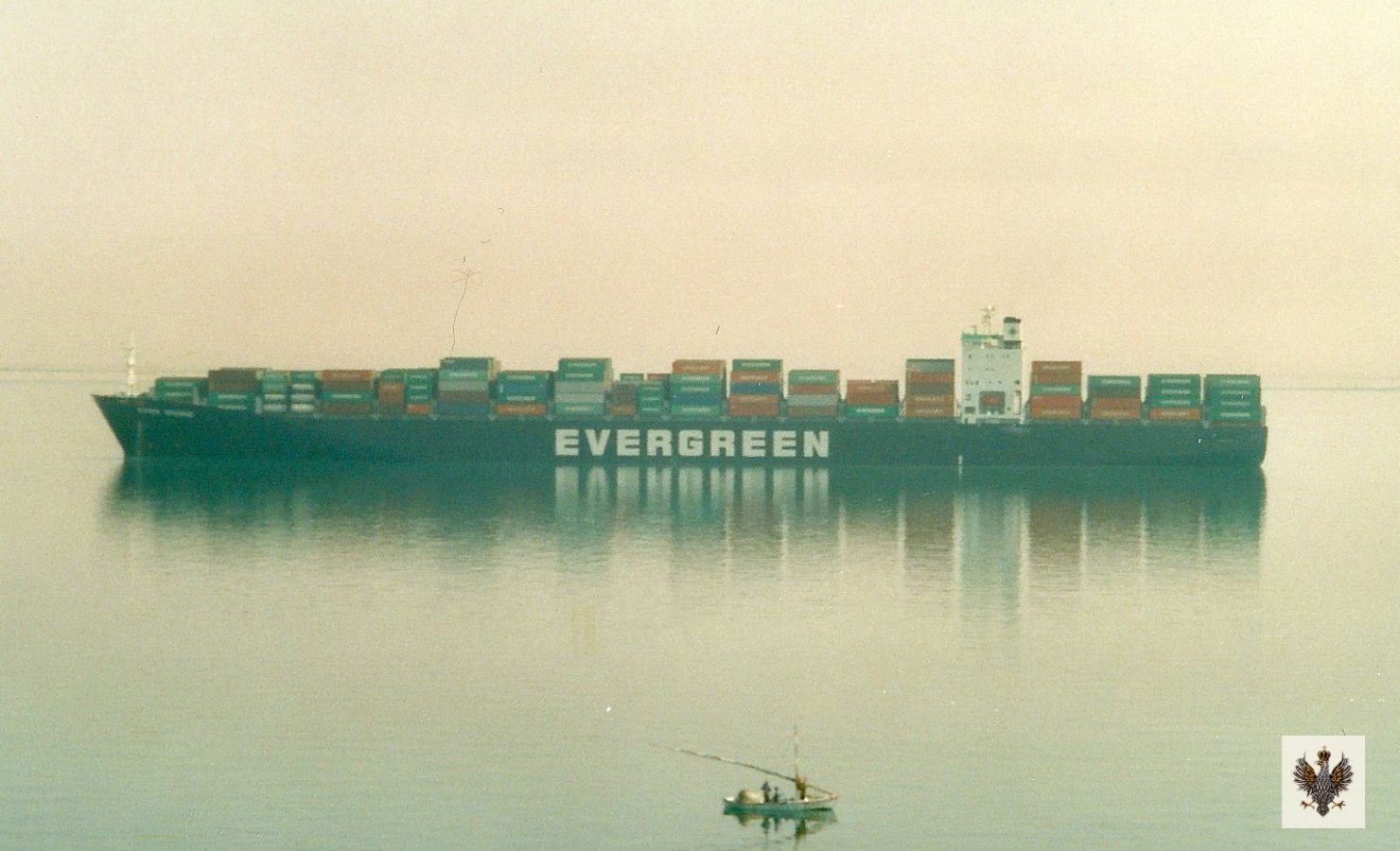
All four major shipping alliances now offer regular Asia–North Europe services via Suez. According to the analytics firm Linerlytica, ONE and HMM are next in line, while among the large carriers Evergreen, Yang Ming and Zim are still avoiding the route. Analysts expect a full return to the Suez route by Q1 2027.
The risk has not gone away
On 7 October a container ship operated by a Chinese carrier came under fire off the coast of Yemen. The crew is safe, and the Houthis did not claim the attack. Lloyd’s List Intelligence analysts judged the incident’s impact on shipping to be limited – but it shows the situation in the region can still change quickly.
What it means for businesses in Poland and the UK
- Freight: ships returning to the shorter route free up capacity, which lowers spot rates on Asia–Europe. In the second half of October, however, carriers were still trying to push prices up – it is worth comparing offers.
- Contracts: for new contracts, ask your forwarder which route the goods take (Suez or the Cape of Good Hope), the transit time and the surcharges that apply. Check the clauses on route changes and war-risk surcharges.
- Stock: plan with a safety margin – some carriers have not yet returned, and the 7 October incident shows the route could be disrupted again.
Sources
We assess factual corrections and substantive responses. Verified changes are reflected in our reporting.
Contact the editorial desk →