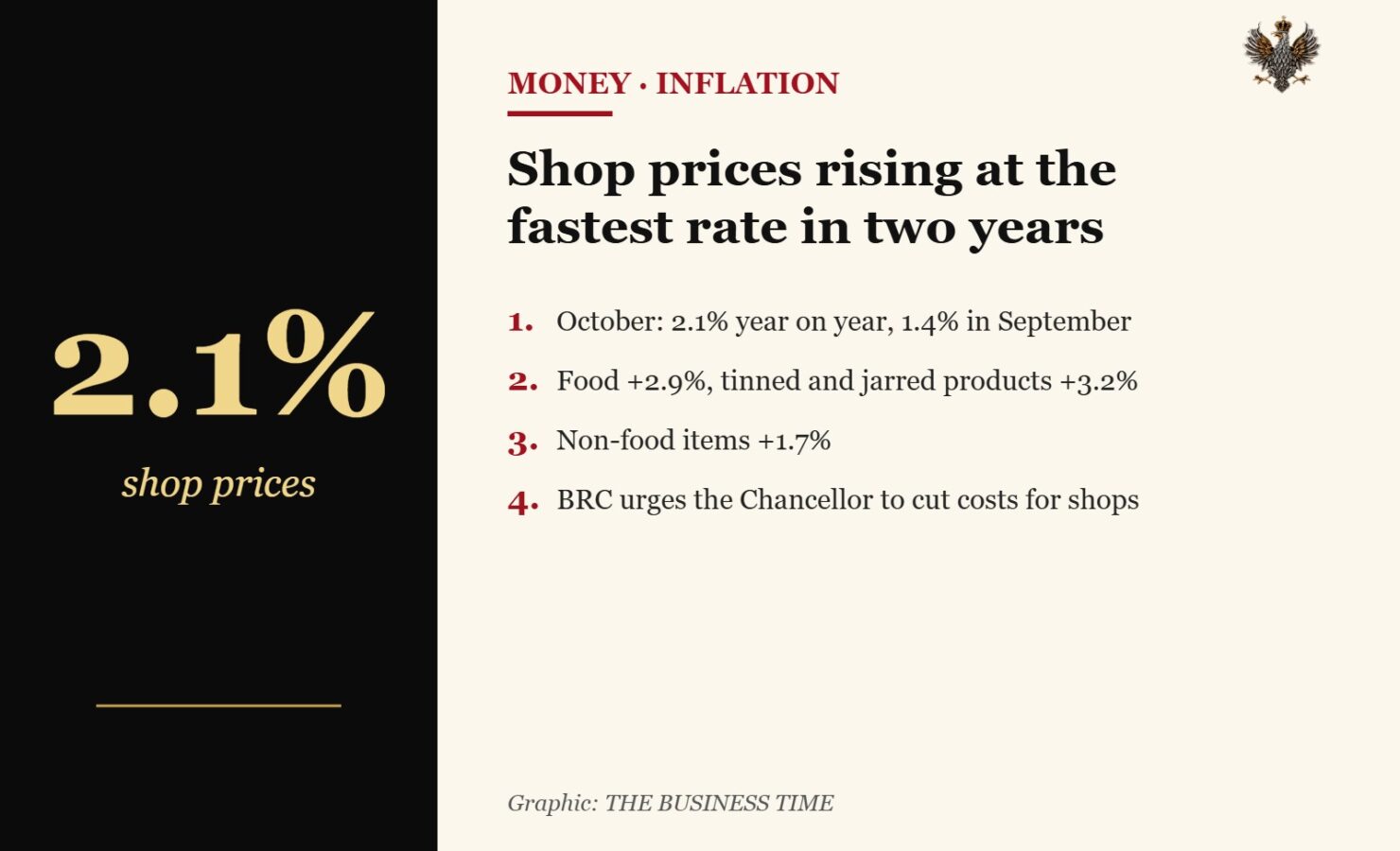
Prices in British shops are rising at the fastest rate in around two and a half years. According to the British Retail Consortium (BRC) and NIQ index, published on 27 October, shop price inflation was 2.1% year on year in October. In September it was 1.4%. The survey covers prices from 1–7 October.
Food prices rose by 2.9% (2.5% in September). Fresh food rose by 2.6%, unchanged from September. The sharpest acceleration was in ambient food, meaning tinned, jarred and packaged products: from 2.2% to 3.2%. Non-food items rose by 1.7% (0.8% in September).
BRC Chief Executive Helen Dickinson is appealing to Chancellor John Healey ahead of Wednesday’s Budget. In her view, the government must “act now or prices will keep on rising”. The BRC wants, among other things, lower employment costs and the cancellation of the planned 3.5% increase in business rates. Mike Watkins of NIQ notes that food retailers have been cutting prices since late summer, which delayed some of the increases. Non-food retailers will now rely more heavily on promotions.
What it means for you
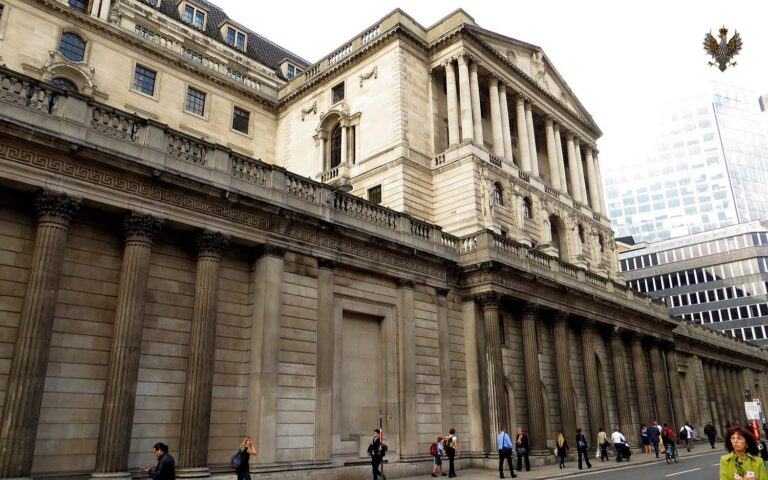
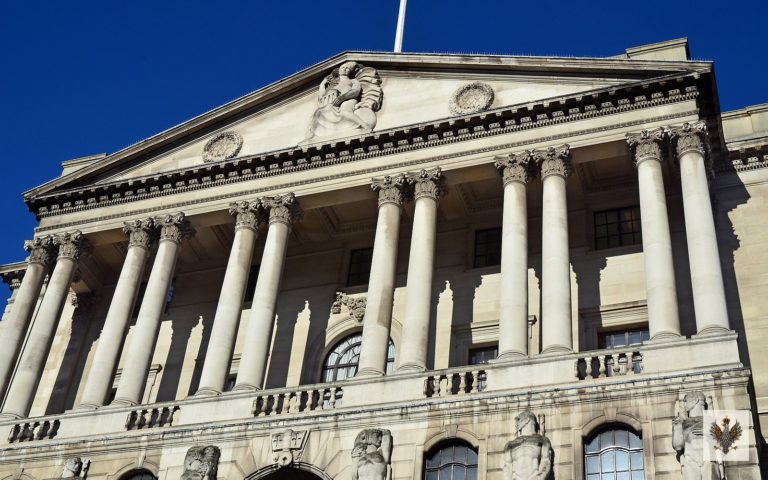
Families: a basket of flour, pasta, tinned food and coffee is getting more expensive faster than fruit and vegetables. Stocking up when items are on offer now makes more sense. Businesses: Polish shops and wholesalers in the UK are paying more for energy, labour and packaging. It will be hard to hold prices without increases before Christmas. Workers: higher shop prices may feed into official inflation, and so into the Bank of England’s interest rate decision on 5 November.
Our assessment
This is not a price surge like in 2022–2023, but the direction is clear. Shops are passing rising costs on to customers. A lot depends on today’s Budget. If the Chancellor does not cut business costs, we expect further price rises before Christmas.
What to do
- Compare prices per kilogram, not per pack – retailers often reduce pack sizes.
- If you run a shop, review your margins on dry and tinned goods – that is where costs are rising fastest.
- Check whether you are entitled to cost of living help: GOV.UK – Cost of living support.
- Follow the Budget changes affecting business rates and employment costs.
Source: British Retail Consortium, BRC-NIQ Shop Price Monitor (27 October 2026).
We assess factual corrections and substantive responses. Verified changes are reflected in our reporting.
Contact the editorial desk →