The FTSE 100 index ended Monday, 26 October, up 0.7% at 10,767.33 points. The FTSE 250, the mid-cap index more closely tied to the British economy, gained more strongly: it rose 1.09% to 24,501.25 points. According to Reuters, this was its biggest one-day rise since 9 October.
Investors are awaiting Wednesday’s Budget, the first to be presented by Chancellor John Healey. The yield on 20-year government bonds fell to its lowest level in a month. The market is hoping the Budget will prioritise the stability of the public finances.
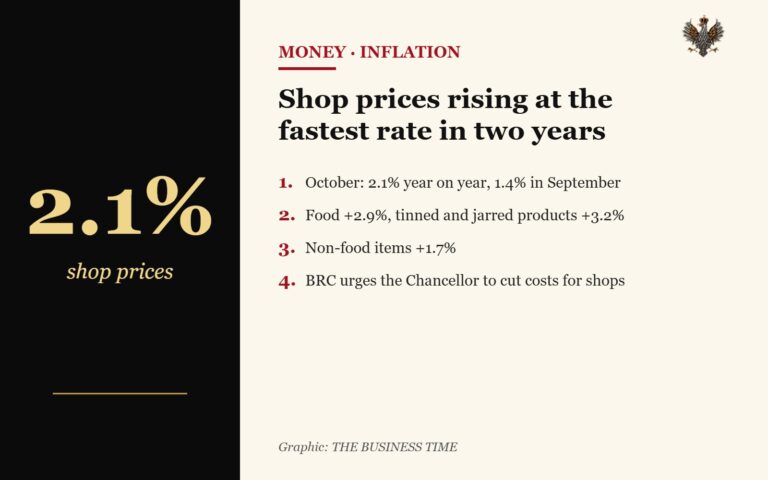
Inflation is the backdrop. According to the ONS, consumer prices (CPI) rose by 3.5% year on year in September, compared with 3.1% in August. Fuel pushed them up the most: over the year it became 29.8% more expensive. The average price of petrol was 169.5p per litre, and diesel 192.5p.
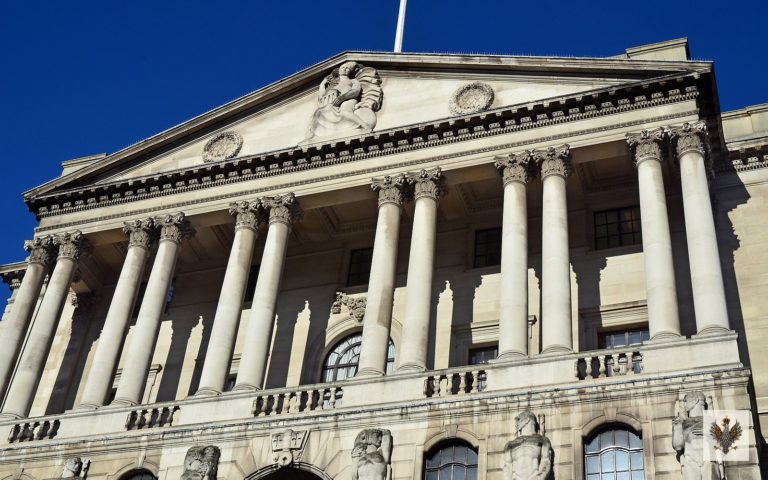
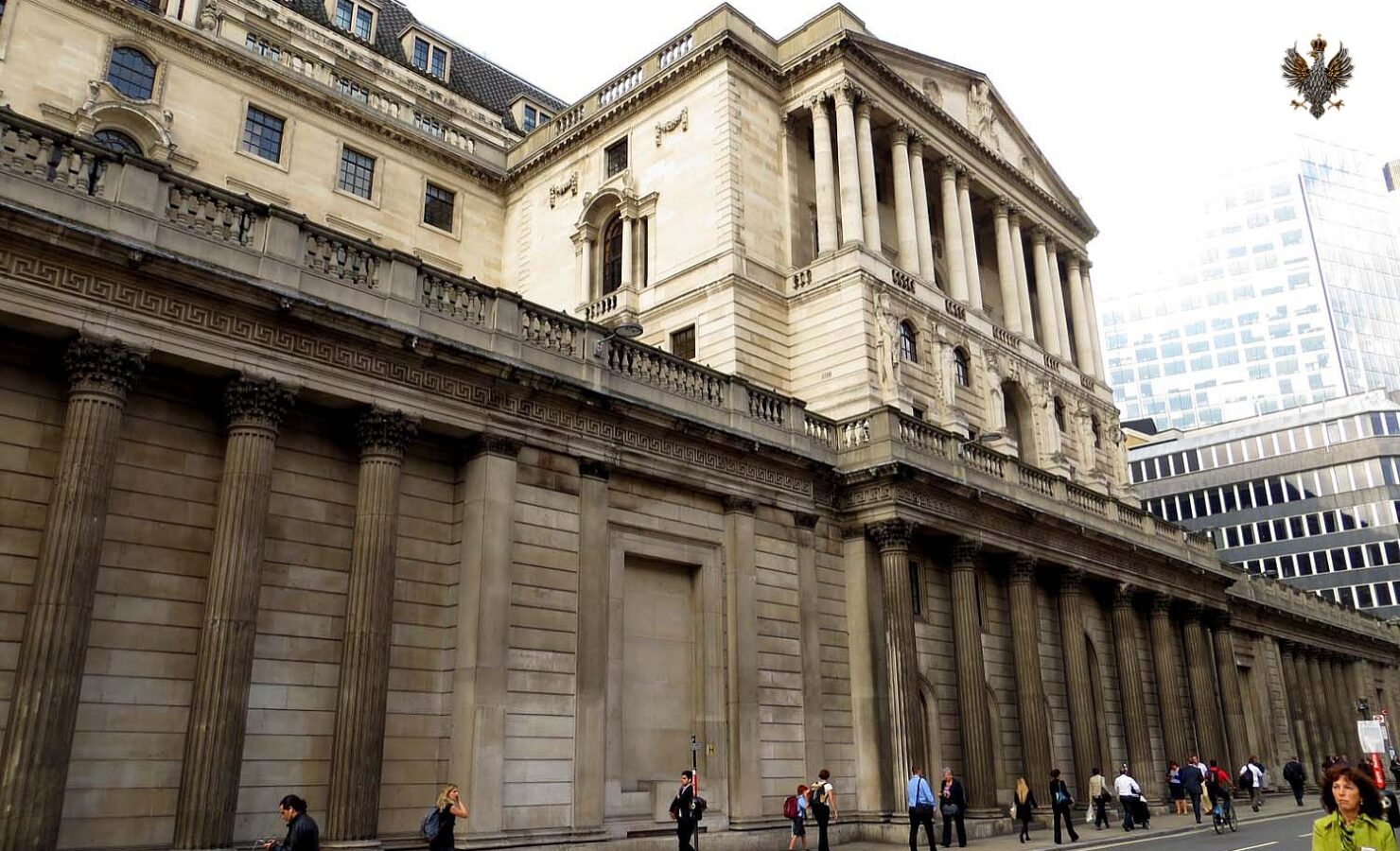
The Bank of England’s interest rate stands at 3.75%. The next decision will be made on Thursday 5 November. According to market calculations cited by financial news services, investors put the probability of a 0.25 percentage point rise, to 4%, at around 98%.
What it means for you
A rate rise means more expensive borrowing. Those who will feel it soonest are people with variable-rate mortgages (tracker, SVR) and businesses with working-capital loans or leasing at a variable rate. Anyone whose fixed-rate period ends in the coming months may get a worse offer. For savers, it is a chance of slightly higher interest on their accounts.
Our assessment
The market is almost certain of a rise, but the decision rests with the Monetary Policy Committee and may depend on what Wednesday’s Budget brings. If the Budget proves cautious, pressure on rates may be lower in the following months. High fuel prices, however, are a problem the Budget will not solve quickly.
What to do
- Check when the fixed rate on your mortgage ends – a new deal can usually be secured several months in advance.
- Businesses: review loan agreements with a variable rate and plan cash flow for a 4% scenario.
- Compare savings rates and check ISA allowances on GOV.UK.
- Follow the Bank of England’s decision on 5 November on the Bank of Englandwebsite.
Sources: Reuters via MarketScreener (26 October 2026), ONS – Consumer price inflation, UK: September 2026 (21 October 2026), Bank of England – MPC dates 2026.
We assess factual corrections and substantive responses. Verified changes are reflected in our reporting.
Contact the editorial desk →