On 16 July 2026 the UK regulator Ofcom opened an investigation into TikTok. It is examining whether the platform protects children from harmful content and whether its age estimation system lets a significant share of children through. Ofcom has not yet found a breach. The penalty can be up to £18m or 10% of global revenue, whichever is greater. The regulator said it would give an update in October.
In June the government announced a ban on social media use by under-16s. It is to cover TikTok, Snapchat, YouTube, Instagram, Facebook and X, among others. Messaging apps such as WhatsApp and Signal are to be excluded. Secondary legislation is to be ready by Christmas, and the ban is to apply from spring 2027. Many details, including who will be responsible for age verification, are still undecided.
The third signal concerns parents themselves. In July the National Crime Agency and the Internet Watch Foundation (IWF) appealed to parents not to post photos of children publicly. The reason is artificial intelligence, which can turn an ordinary family photo into abuse material. According to the IWF, more such AI-generated material appeared in the first half of 2026 than in the whole of 2025.
How to protect yourself: technology working for children
- Linking a parent’s account to a child’s account. TikTok has a “Family Pairing” feature: a parent can set a time limit and restrict private messages and content. Google Family Link on Android and Screen Time on iPhone work in a similar way.
- A private account. Both the child’s account and any parent’s account containing photos of children. Share family photos only with a group of close friends.
- Report Remove. This tool from Childline and the IWF lets a person under 18 report their own intimate photo or video for removal from the internet.
- CEOP. Worrying online contact between an adult and a child can be reported to CEOP, part of the National Crime Agency. In immediate danger, call 999.
The warning signs are usually similar: a new online “friend” who asks for secrecy, urges moving the conversation to another app, gives gifts or asks for photos. The best protection remains talking — a child who knows they will not be punished will say sooner that something is wrong.
The SaveChildren.scot Foundation
The SaveChildren.scotFoundation, linked to the publisher of The Business Time, monitors TikTok for sharenting (adults publishing images of children), violence, paedophilia and children’s access to harmful content. More information on the Foundation’s website.
Editorial comment
Children in Polish families in the UK often navigate apps more skilfully than their parents, and the language barrier makes it harder for adults to understand what is happening on screen. For business owners there is one more issue: photos of children on the business profiles of a family restaurant, shop or salon are also sharenting. Using a child’s image in advertising requires parental consent and care in line with UK GDPR. The 2027 ban will not relieve anyone of the need to think — technology helps, but it cannot replace a conversation.
What to do
- Today, check that your child’s TikTok account is private and switch on Family Pairing.
- Review your own profiles, including business ones, and delete or hide public photos of children.
- Agree simple rules with your child: we don’t send photos to strangers, and we don’t keep secrets from the internet.
- Save the CEOP and Report Remove (Childline) addresses on your phone.
- Employers and businesses: do not publish photos of employees’ or customers’ children without written parental consent.
What do you think?
Do you feel this threat in your own family or business? What are you already doing, and what worries you? Tell us in the comments below the article. We will cover the most interesting views in future editions.
Sources
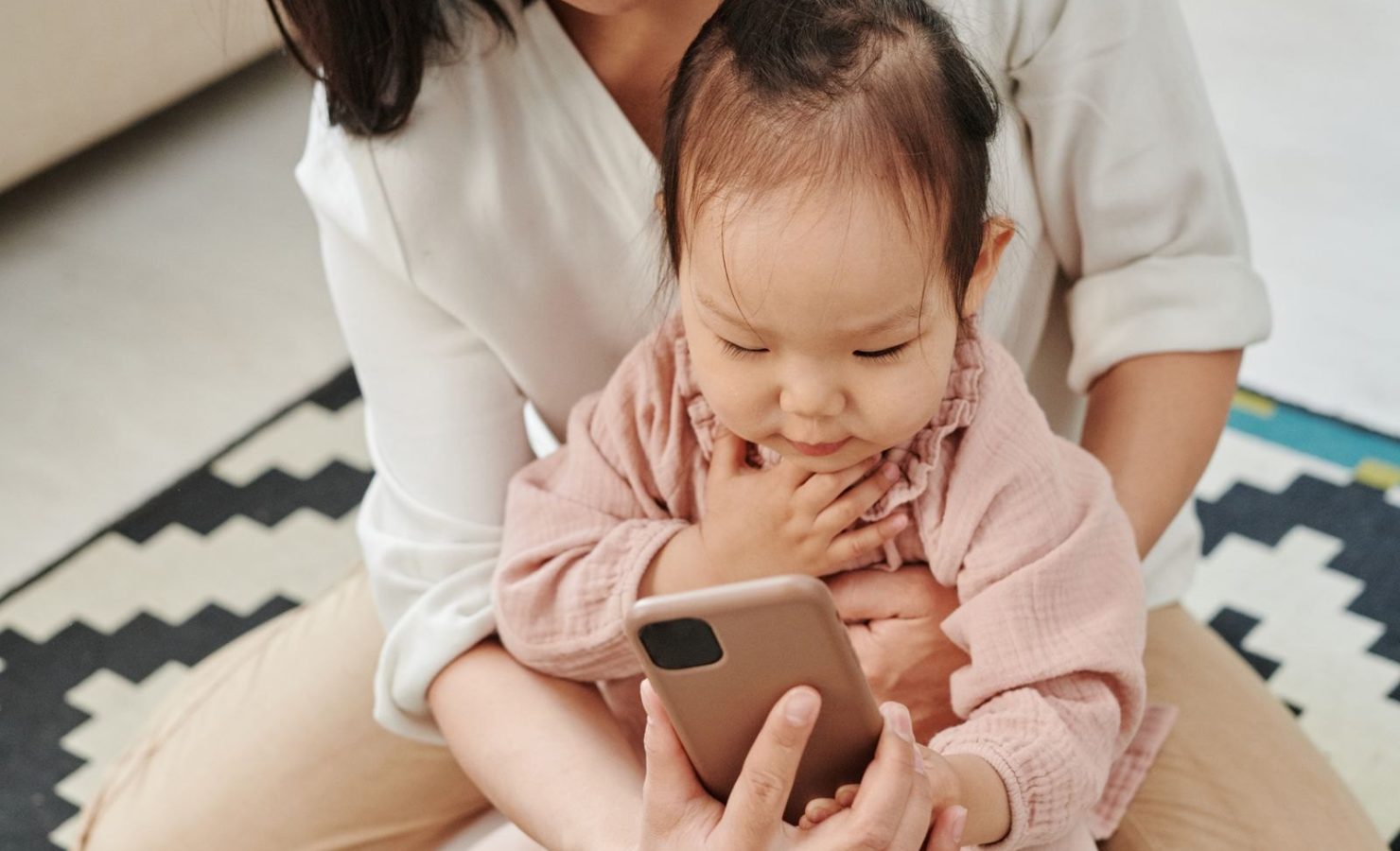
Original editorial content by The Business Time, based on the sources listed. Illustrative photo.
We assess factual corrections and substantive responses. Verified changes are reflected in our reporting.
Contact the editorial desk →