Editorial comment
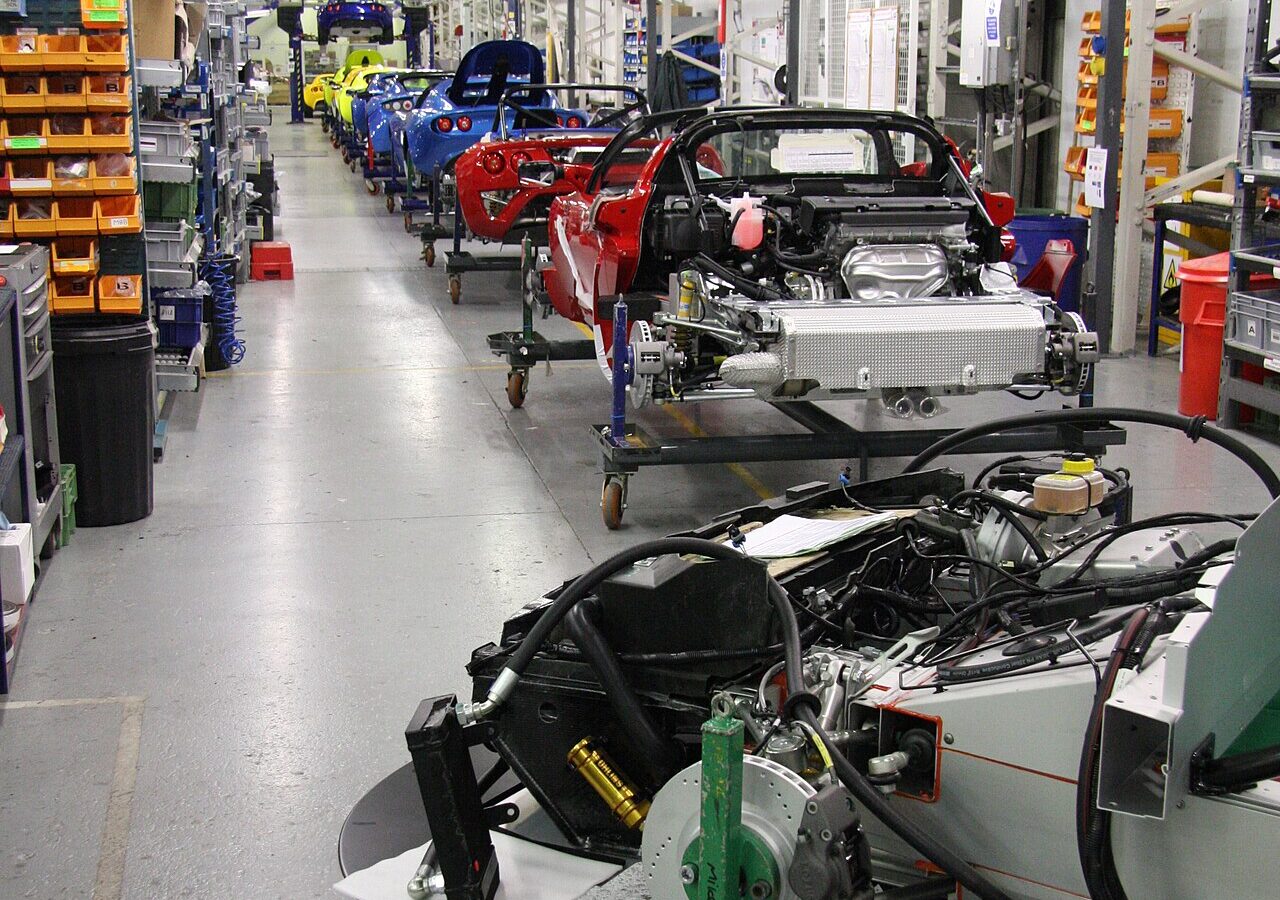
Today’s figures from British factories look very good at first glance. The S&P Global UK Manufacturing PMI rose to 52.8 in October from 51.9 in September – a five-month high. Any reading above 50 signals growth. Output has risen for seven months in a row and at the fastest pace in 25 months, new orders at the fastest rate since July, and export orders for the tenth consecutive month.
Our argument, however, is this: this is growth without new jobs and with rising costs. For thousands of Poles working in British plants, and for Polish firms supplying them with parts or services, it means a time for caution rather than celebration.
Evidence one: hiring has stalled
According to S&P Global, manufacturing employment was unchanged in October, ending a six-month run of job creation. Reuters, reporting the data, noted that firms – especially smaller ones – pointed to high staff costs. Rob Dobson of S&P Global Market Intelligence said concerns about possible policy changes had filtered through to the labour market.
In practice, factories prefer to produce more with the same people – through overtime, automation and better organisation – rather than take on new staff. For those already in work this means stability. For someone looking for a factory job, or hoping to move from an agency to a permanent contract, it is less good news.
Evidence two: costs are rising faster
Input prices paid by manufacturers have risen for 34 months in a row, at one of the sharpest rates in four years. Firms are passing this on – output prices are rising at the fastest pace in three months. Dobson said the data would further shorten the odds of interest rate hikes from the Bank of England. We cover the Bank’s decision this week separately; what matters here is that dearer credit hits firms that finance stock and machinery with loans.
Then there is the minimum wage. On 28 October the government announced that from April 2027 the National Living Wage will rise by 3.9% to £13.21 an hour. That is good news for the lowest paid – many of them migrants, including Poles. For a small plant, however, it is another cost increase that has to be absorbed somewhere.
What this means for Poles
Factory and warehouse workers: if you have a permanent contract, your plant’s good results are an argument in pay or bonus talks. If you work through an agency, do not assume that more orders will automatically lead to a permanent job – the data point rather to a hiring freeze. Know your rights: from April 2027 the minimum rate for workers aged 21 and over is £13.21.
Polish subcontractors in the UK (components, machining, transport, maintenance): this is a good moment to review contracts. If your prices are fixed for a year while your material and wage costs rise, you need price adjustment clauses. A customer whose orders are growing also has more room to talk about price than during a downturn.
Exporters from Poland: S&P Global lists the EU among the markets where demand for British goods is growing. This shows that supply chains between the UK and the continent are working – but also that competition for orders from British factories is not easing.
The other side
To be fair: the PMI is a survey of managers, not hard production data. It was collected between 12 and 27 October, before the Budget. Official figures cited by Reuters do show manufacturing output up 3% in the 12 months to August. Optimists will say that after a Budget which, according to Reuters, largely spared businesses from tax rises, factories will start hiring too. That may happen. For now, though, the numbers say: more work, but not more jobs.
Sources:
We assess factual corrections and substantive responses. Verified changes are reflected in our reporting.
Contact the editorial desk →