Since Sunday 1 November 2026 a new EU handling fee has applied across the European Union: €2 for every item in the customs declaration of a small parcel arriving from outside the EU. Polish media mainly discuss it in the context of shopping from China. But after Brexit the United Kingdom is also “outside the EU” – so the new rules also affect Polish businesses in Britain that sell to customers in Poland and other EU countries.
What has changed
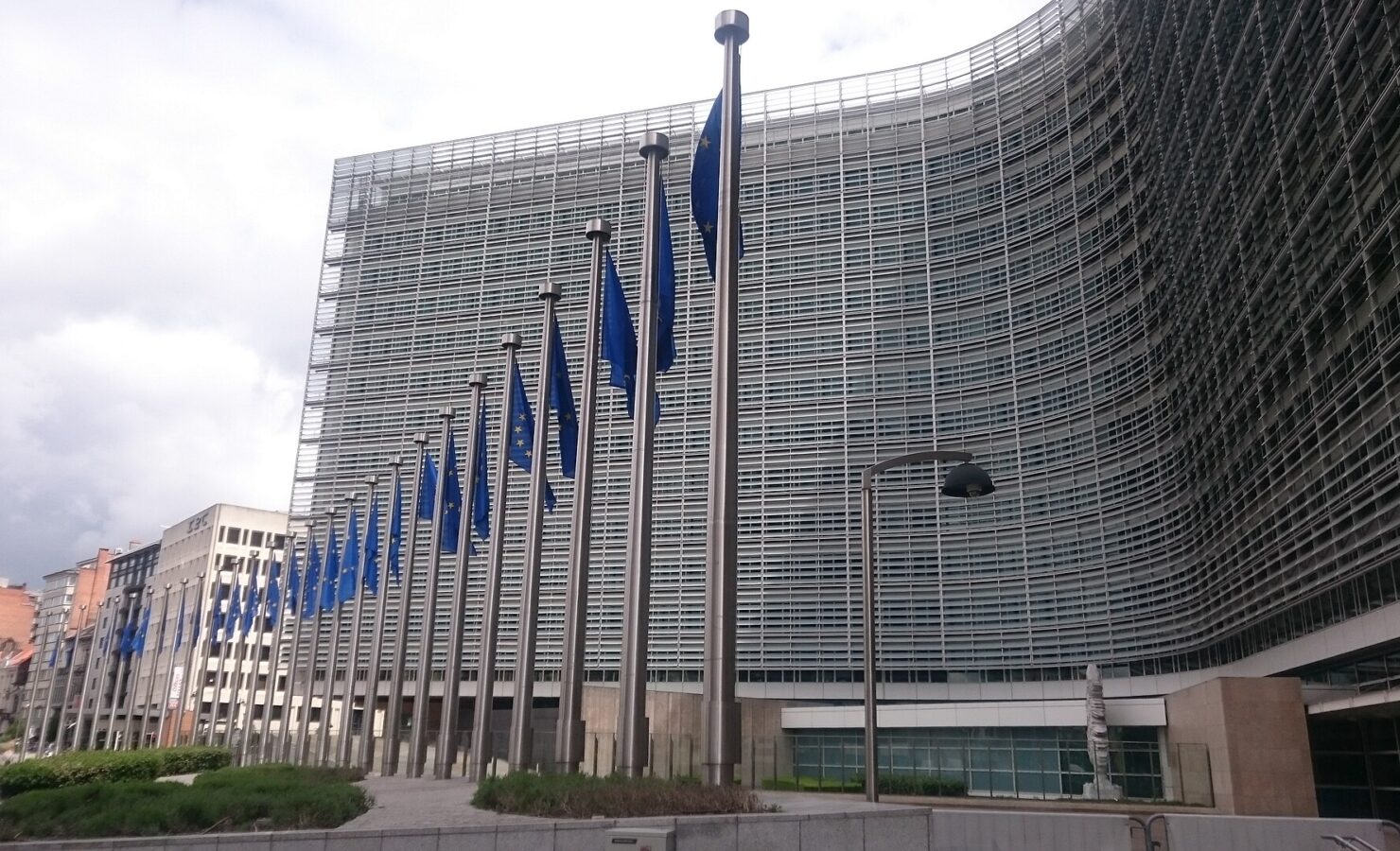
According to the European Commission, the fee is €2 and applies from 1 November 2026. It is meant to cover the cost of customs supervision of the huge number of small parcels. The Commission set the amount in a delegated act under the reform of EU customs law. From 2028 a lower rate will apply to importers using customs warehouses.
The fee comes on top of the temporary €3 customs duty per item that has applied since 1 July 2026 to consignments worth up to €150. That duty replaced the previous exemption for low-value parcels and is due to run until 1 July 2028, when the EU customs data hub comes into use.
In Poland the fee is collected by the National Revenue Administration (KAS). Its head, deputy finance minister Marcin Łoboda, told the PAP news agency that it is charged per item in the customs declaration and collected from those who file the declaration.
Who pays
Formally the fee is settled by the declarant – for example a marketplace, the seller, or a courier or postal operator. As the Polish portal Forsal notes, the cost may be “hidden” in the product price or in a handling charge, and the seller may also pass it on to the customer. According to Forsal, the fee is also included in the VAT base.
The scale is large: according to figures quoted by pit.pl, 4.6 billion small parcels entered the EU in 2024, 91% of them from China.
What it means for a Polish business in the UK
Our view: for a small UK online shop sending low-value, multi-item parcels to customers in Poland, the new fee can be significant – because it is charged per item, not per parcel.
Evidence: the fee is €2 per item in the declaration. A parcel with three different types of goods may therefore cost €6 more, and consignments up to €150 may also face the flat-rate duty. On a €20–30 order that is a double-digit percentage of the value.
What to check now
- With your carrier: ask your courier or postal operator whether and how it adds the new fee to your EU parcels, and who pays it – you or the recipient.
- Delivery terms: if you sell “delivered duty paid” (DDP), the cost falls on you. If the customer pays on delivery (DAP), they may be surprised by the charge and refuse the parcel.
- Duty and origin: the UK–EU trade agreement provides zero tariffs on goods of UK origin, but not every product shipped from the UK meets those rules. Whether the €3 flat duty applies in your case is worth checking with a customs agent. The new handling fee is a separate matter.
- VAT: if you use the IOSS scheme for sales to the EU, check with your accountant how the new fee affects your returns.
- Customers: update prices and delivery-cost information in your online shop so that customers in Poland are not hit by unexpected charges.
The fee is part of a reform intended to level the playing field between non-EU and EU sellers. For UK businesses it means one thing: sending small parcels to Poland has become more expensive, and that needs to be reflected in prices.
Sources:
- European Commission – EU Customs Reform (handling fee and €3 duty)
- Money.pl / PAP – New parcel fee: head of KAS says changes take effect on 1 November (in Polish)
- Forsal – New fee on every parcel from outside the EU from 1 November (in Polish)
- pit.pl – New fees on small parcels from outside the EU from 1 November (in Polish)
We assess factual corrections and substantive responses. Verified changes are reflected in our reporting.
Contact the editorial desk →