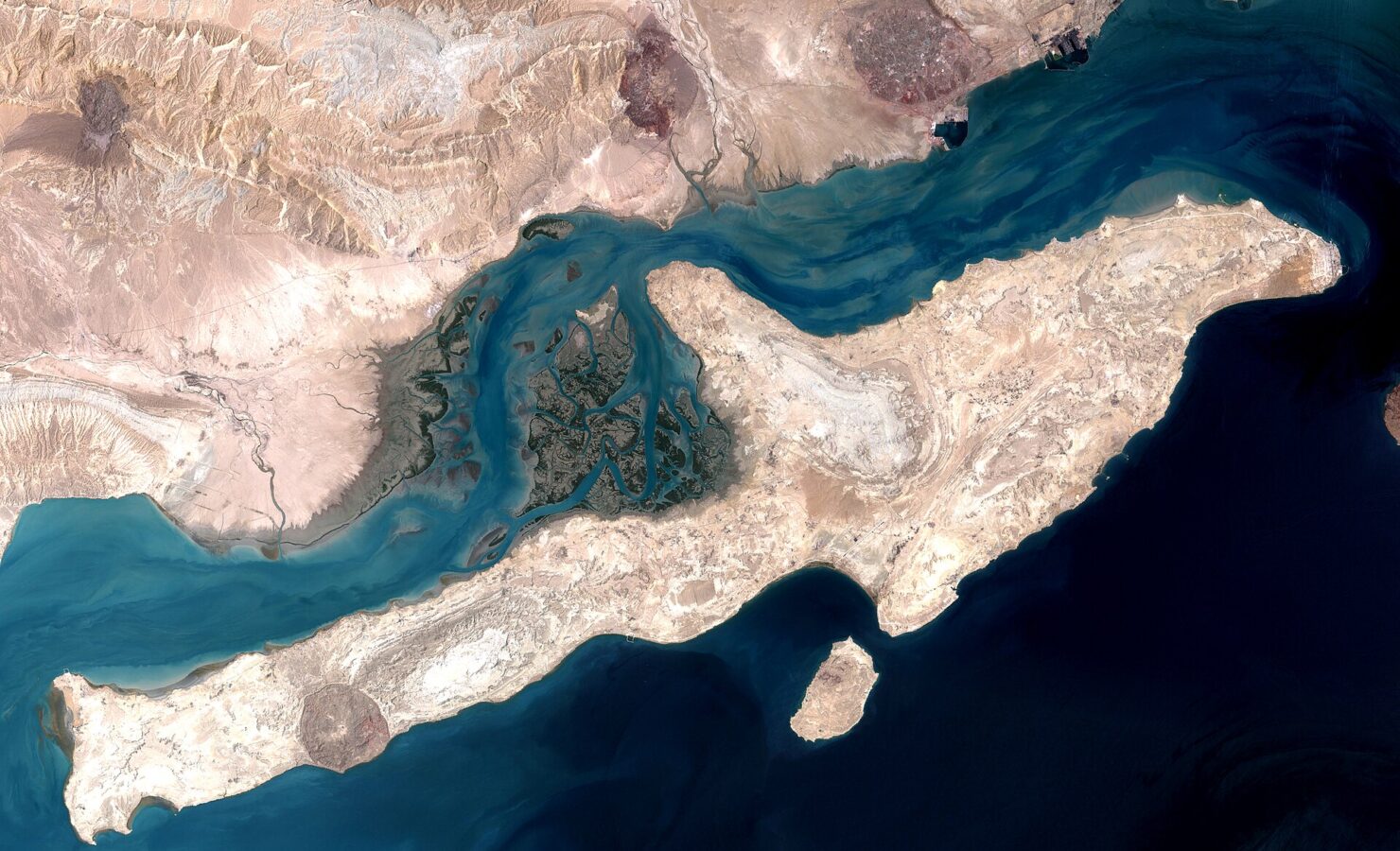
US forces struck Iran’s Qeshm Island at the mouth of the Strait of Hormuz overnight from Monday to Tuesday, the Wall Street Journal reported, citing US officials. Iranian state media reported several explosions on the island. Oil prices rose again on Tuesday.
What we know
US officials described the strikes as defensive, aimed at stopping Iran from attacking commercial ships in the Strait of Hormuz. According to The National, they were part of a series of small, deliberately low-profile strikes in recent weeks, intended to signal that Washington was not resuming its full military campaign.
The conflict began in late February. Tehran said on Monday that contacts with the US on ending the war were continuing; talks with Qatari mediators had produced altered proposals but no breakthrough. President Masoud Pezeshkian said the Supreme Leader had given the government certain authority for peace talks. There was no direct Iranian response to the Qeshm strike at the time of publication.
Oil: a price see-saw
On Monday oil fell more than 7%, with Brent settling at $104.77 a barrel and WTI at $96.46. On Tuesday, after the strike reports, Brent rose about 2% to around $107 and WTI to about $98. Oil hit a six-month high at the end of October.
Before the war, around a fifth of the world’s oil and gas supplies passed through the Strait of Hormuz. Daniel Richards of Emirates NBD said the overnight strikes had “renewed uncertainty” and made diplomacy more fragile.
What it means for Poles in the UK
Our view: every incident in the Strait of Hormuz quickly reaches household budgets – through fuel, energy and interest rates.
Fuel. Oil above $100 a barrel keeps pump prices high; changes usually reach forecourts with a lag of days to weeks. For drivers, couriers and haulage firms – sectors where many Poles work – this is a cost that is hard to predict.
Interest rates. The Bank of England announces its rate decision on Thursday 5 November. Expensive fuel pushes inflation up, which argues for higher rates – with consequences for tracker mortgages and fixed deals coming to an end.
Businesses. Polish haulage and construction firms should check whether client contracts allow price adjustment for fuel costs (a fuel surcharge clause). Without one, the contractor bears all the risk.
Travel. Anyone flying via the Middle East should check the latest FCDO travel advice before departure.
Sources:
We assess factual corrections and substantive responses. Verified changes are reflected in our reporting.
Contact the editorial desk →