Blog · Partner: POLISH YELLOW PAGES® · since 1991
A post from the POLISH YELLOW PAGES® blog (formerly DATABOT.PL), originally published on 11.01.2023. Some information (tools, prices, regulations) may have changed since then.
Cold mailing: what it is and how to use it to generate leads
Sales leads are consumers or businesses that may potentially be interested in buying a product or using a service offered by a given company. Generating them is one of the basic tasks of every marketer. Before preparing an offer, it is essential to understand the client’s assumptions and examine which target group they want to reach. Only then can an adviser prepare a personalised offer that meets the client’s needs. Gathering the assumptions and all the information about the target group is the key to sales success. It helps match customers with specific needs perfectly to the offer of a company that can meet them. One way to do this is cold mailing.
Cold mailing – what is it?
Cold mailing is one element of a marketing strategy. It involves sending messages to potential customers – people you believe are highly likely to use a service or buy a product. These are not ordinary emails, however, because their content should be as personalised as possible, showing how the company’s offer matches the potential customer’s needs. To be effective, you should analyse the specifics of the target group carefully before writing and sending the message. The chances of sales success grow as the offer is matched to needs. Even the most attractive cold mailing campaign will not bring the company sales revenue if the offer is aimed at the wrong people.
Is cold mailing to businesses legal? Cold mailing and GDPR
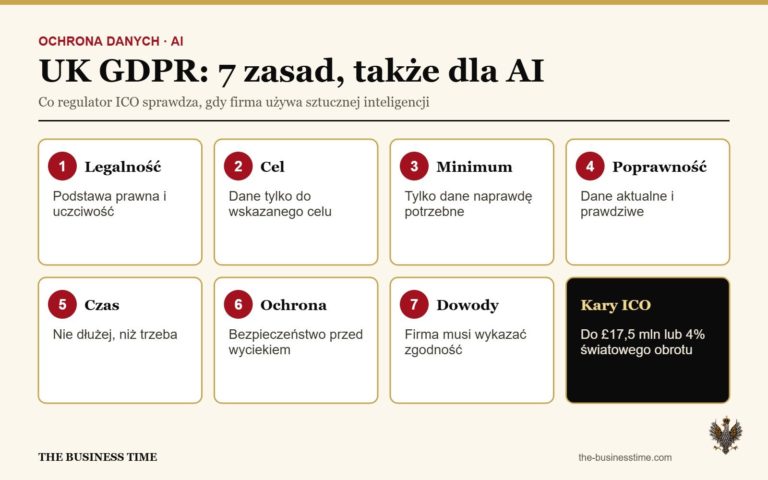
The General Data Protection Regulation (GDPR) often calls the legality of messages into question. While an email sent to a potential customer does not in itself break the law, sending so-called unsolicited commercial information by electronic means does. Unsolicited meaning what? Information that a particular customer did not ask for, or to whose sending they did not consent by completing the appropriate clause.
To avoid the consequences of breaking the rules governing commercial communications, sending an offer should always be preceded by a request for written consent to send the offer to a specific email address. This avoids a situation in which a potential customer becomes an enemy instead of a client. In this light, the answer to the question of whether cold mailing to businesses is legal is yes, provided that sending a commercial offer is preceded by obtaining consent to do so.
How to generate B2B leads effectively by email?
An undoubted advantage of a marketing strategy that includes cold mailing is that it is a relatively cheap way of gaining contacts that may later translate into real profits for the company. For that to happen, though, you need to know how to write a cold email. It differs significantly from traditional forms of electronic marketing communication. This is mainly because it reaches a recipient who is not expecting it and did not ask to be contacted. So you have to interest them rather than put them off.
How do you write a cold email that, instead of landing in the bin, leads to a request for a detailed offer? When planning, bear in mind that the first message is one of many stages aimed at building a relationship with the recipient. Be patient: to get a response from a potential customer you sometimes need to send several emails, each equally personalised but not repetitive.
What else should you remember?
As mentioned, the message should be sent only to people and companies that may be interested in the offer because it meets their needs perfectly. Emailing people outside the target group completely misses the point.
- The subject line must immediately catch the recipient’s attention and make them associate it with the need it refers to. Otherwise the next stages – however well thought out – will never get the chance to be implemented.
- The content of the email should be as personalised as possible for the specific recipient, while focusing on the benefits of taking up the proposal. The potential customer must feel that there is interest in them or their company, not that they have received random mass-mailed content. Specific information should be written in plain, easy-to-read language.
- The message should encourage further contact. Even if the content interests the recipient, if it does not end with a request for a phone call or written consent to send a commercial offer, all the effort will be wasted. You cannot leave out the CTA (call to action), because a recipient who has reached that part of the email is clearly interested in its content.
Cold mailing – summary
There are many examples of cold emails that have proved an effective way of communicating with potential customers and have brought trading companies sales success. Thanks to this article, there may be many more!

Mariusz Biniak – creator of the POLISH YELLOW PAGES® brand (formerly DATABOT.PL) and author of a blog on B2B sales. Disclosure: the author is connected with the publisher of THE BUSINESS TIME.
About the partner: POLISH YELLOW PAGES® – a brand operating since 1991 (formerly DATABOT.PL). B2B company data in Poland, the United Kingdom and Europe. More: www.databot.pl
What do you think?
Which ways of winning customers work in your business? Tell us in the comments below the post.
Source
© POLISH YELLOW PAGES® / Argonauts Media Group Limited. Copying, downloading and distribution without the publisher’s written consent are prohibited. Illustrative photo: Pexels.
We assess factual corrections and substantive responses. Verified changes are reflected in our reporting.
Contact the editorial desk →