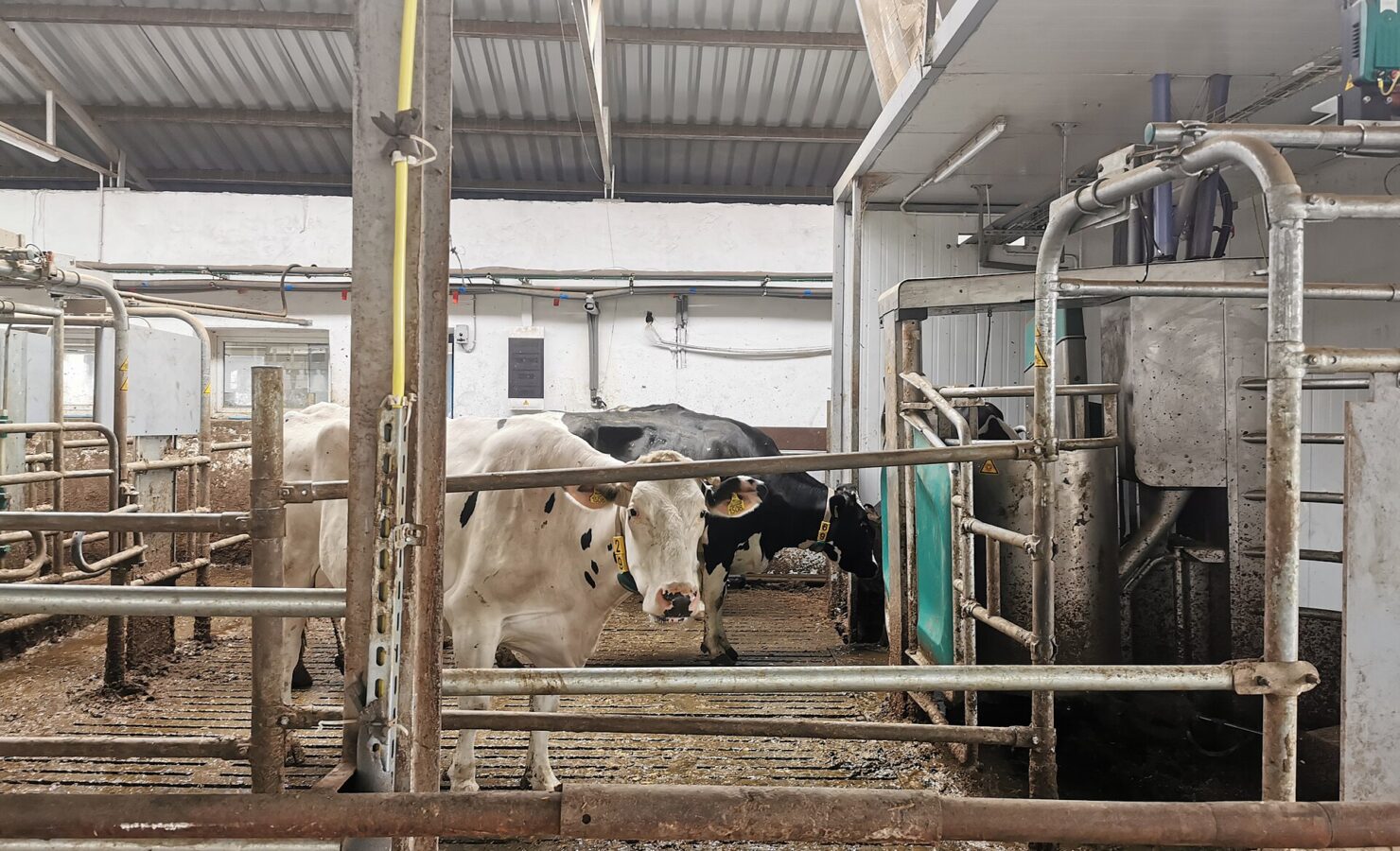
The Animal and Plant Health Agency (APHA) confirmed on Monday 2 November the first cases of Shamonda virus (SHAV) in livestock in Great Britain. The virus was detected in October in cattle on two dairy farms, in Powys in Wales and in Shropshire in England. Samples were tested at APHA laboratories in Weybridge.
What is Shamonda virus
It is an emerging virus in Europe. According to APHA it is thought to be spread primarily by Culicoides biting midges. In 2026 it has been found in several European countries, most recently in cattle in Jersey and the Republic of Ireland.
APHA says the detection is “not unexpected” given recent reports in Europe. There is no specific treatment and no licensed vaccine; animals receive supportive care.
Possible signs in cattle include fever, diarrhoea, lethargy, reduced milk yield and mild respiratory signs. Infection during pregnancy may lead to abortion or congenital abnormalities. According to FarmingUK, APHA has not confirmed such cases on British farms, and the full reproductive impact is still being investigated.
Is there a risk to people or food
One human infection has been reported, in a severely immunosuppressed person in France. The UK Health Security Agency (UKHSA) considers the risk to the general population very low. The Food Standards Agency (FSA) says there is currently no evidence of a food safety risk.
What farmers must do
SHAV is not notifiable or reportable. APHA sees no need for additional controls at present, but Defra, the Welsh and Scottish governments and APHA will keep monitoring. Advice for keepers:
- monitor animals and contact your vet if concerned;
- treat animals as early as possible based on clinical signs;
- for diagnostic investigation, contact an APHA Veterinary Investigation Centre (England and Wales) or SRUC (Scotland).
By comparison, bluetongue (BTV-3), also spread by midges, remains notifiable.
What it means for Poles working in farming
Many Poles work on British dairy farms – as milkers, herd workers or herd managers. Some run their own farms or agricultural service businesses.
Our view: there are no new legal duties for now, but daily herd observation matters more. Farm staff are often the first to notice fever, a drop in milk or calving problems.
The evidence: APHA has introduced no movement restrictions and no reporting duty, so detection rests with keepers and their vets. The agency advises vets to familiarise themselves with SHAV signs and keepers to act early.
Phil Stocker, chief executive of the National Sheep Association, urged calm, saying these are “very early days” and keepers “should not be overly alarmed”. He also called the cases concerning and another symptom of changes in disease spread across the continent.
For people working with animals the practical advice is simple: note unusual signs and tell your manager and vet quickly. For farm owners: make sure staff know what to look for – in Polish too, if needed.
Sources:
We assess factual corrections and substantive responses. Verified changes are reflected in our reporting.
Contact the editorial desk →