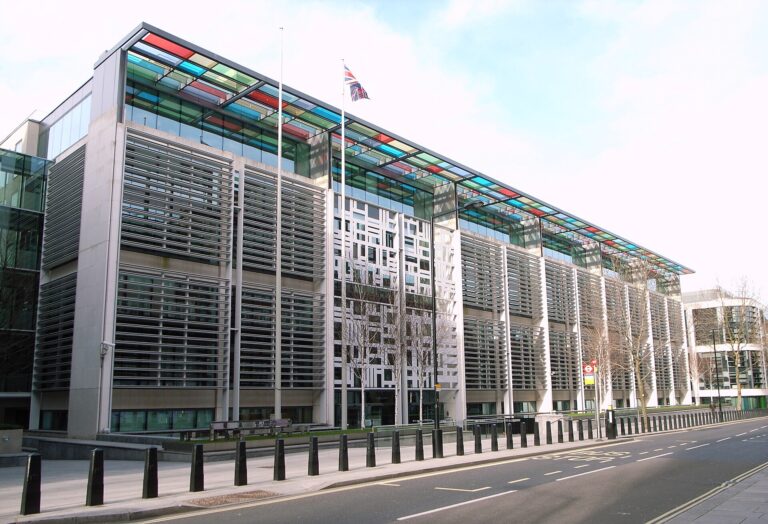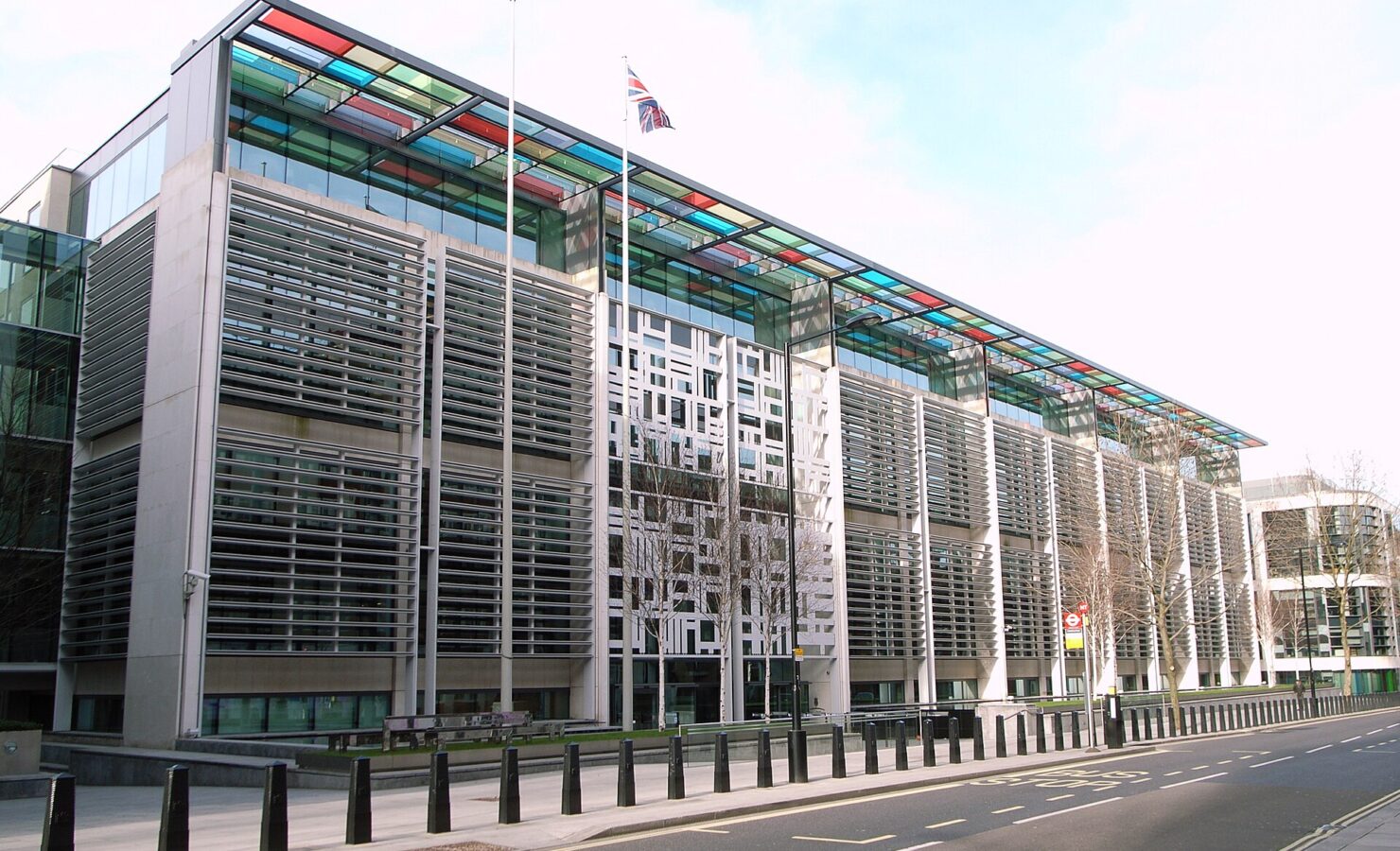
Home Secretary Shabana Mahmood is due on Monday to set out in the House of Commons the final rules for “earned settlement” – indefinite leave to remain (ILR) for legal migrants. According to the Guardian, most will wait 10 years for ILR instead of today’s five, and some up to 15. The government will publish its response to a consultation that, according to Nara Solicitors, drew more than 200,000 responses.
What is set to change
The government’s November 2025 proposals (“A Fairer Pathway to Settlement”) would raise the standard qualifying period from 5 to 10 years. The lowest-paid workers, including care workers, would wait 15 years. The period could be shortened for higher earners, for community contribution under a points system and for work in specified public service occupations.
Care workers are the most contested group. The Guardian reports that the government is expected to exempt some of those already working in the UK from the longer wait. The Telegraph, cited by Nara Solicitors, reports that care workers may instead be treated like other public service workers, with five years’ service cutting the wait from 15 to 10 years. No official decision has been published yet.
The political dispute
Some in Labour oppose the plans. Housing Secretary Angela Rayner called them “un-British” in June because they change the rules for people already lawfully in the UK. In a letter dated 29 October, Labour and Green MPs and groups including Care England warned of a repeat of Windrush-era mistakes. More than 100 Labour backbenchers and several major unions say they will oppose the reforms. On the other side, Conservative Kemi Badenoch says the government should not retreat from making settlement harder for those who arrived in the past five years. Launching the consultation, Mahmood said permanent settlement “is therefore not a right but a privilege – and one that must be earned”.
What it means for Poles in the UK
Our view: most Poles will not be affected – but not all.
Evidence 1 – EUSS settled status is outside the reform. The government paper states that settled status under the EU Settlement Scheme (EUSS) is “out of scope” for both the consultation and the planned reforms. The House of Commons Library notes that EUSS holders keep a five-year route to permanent residence under Article 15 of the UK–EU Withdrawal Agreement. Poles with settled or pre-settled status are protected by an international treaty, not just by immigration rules.
Evidence 2 – families of British citizens keep five years. Partners, parents and children of British citizens are to continue qualifying after five years, subject to the requirements.
Who may be affected:
- Poles who arrived after 31 December 2020 without EUSS, on a visa (e.g. Skilled Worker, Health and Care Worker);
- non-EU family members who did not qualify for EUSS and hold an ordinary visa;
- Polish-owned firms in the UK employing sponsored workers – a longer route to ILR may make staff retention harder and raise visa extension costs.
What to do now
Until a statement of changes is laid, the current rules apply. Nara Solicitors advises anyone approaching five years of lawful residence to check their position now; where an application can properly be made under the current rules, timing may matter. It is not yet known whether or how time already spent in the UK will count – that depends on transitional provisions. People with EUSS status should check that the details in their UKVI account are up to date.
We are following the Home Secretary’s statement and will report the final rules.
Sources:
We assess factual corrections and substantive responses. Verified changes are reflected in our reporting.
Contact the editorial desk →