Generation Z – what is it? A guide for Poles in the UK: parents, businesses and Gen Z themselves
“Zoomers”, “Gen Z”, iGen – everyone is talking about Generation Z today: bosses, teachers, politicians and worried parents. We explain in plain language who the young people born around the turn of the century are, what they want, what they fear and how to get along with them – at home and at work, in Poland and in the United Kingdom.
 Editor-in-chiefMariusz Gabriel B.
 JournalistAgnieszka B.
31.10.2026

Who is Generation Z?
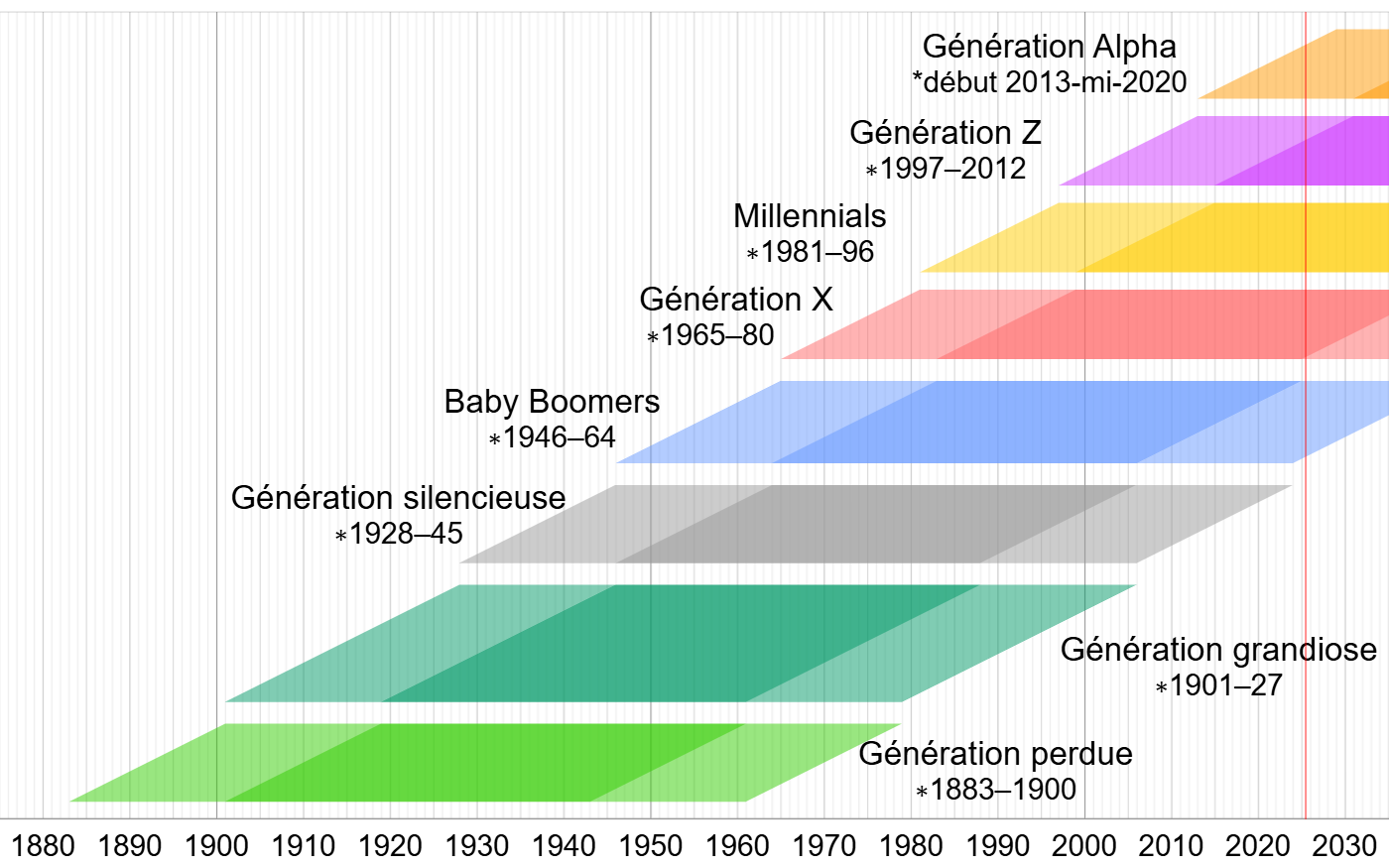
They are people born roughly between the mid-1990s and the early 2010s. The most commonly used framework is that of the American Pew Research Center: 1997–2012. Other researchers count from 1995 – e.g. Deloitte (1995–2007) or Australian researcher Mark McCrindle (1995–2009). So today they are people aged roughly 14 to 30.
According to McCrindle, there are around 2 billion members of Generation Z in the world – more than one fifth of humanity. It is the first generation that does not remember a world without the internet and smartphones.
Mark McCrindle: the researcher who named Generation Alpha
Australian social researcher and speaker, head of the research firm McCrindle. He popularised the name “Generation Alpha”, and speaks about Generation Z to employers and parents around the world.
- why Gen Z are at the same time the most digital and the most screen-weary,
- what they expect from a boss and a job – beyond pay,
- how AI is changing the first years of a career,
- why schools are short of young teachers.
Videos: official McCrindle channel on YouTube, in English. Short videos play on a muted loop – click to turn on sound.
5 traits worth knowing
- Digital from birth. For them a phone is not a gadget but a window on the world: school, work, friends and shopping in one. They learn from short videos, and increasingly from AI.
- Careful with money. They grew up amid crises, a pandemic and rising prices. They prefer stability to risk.
- Authenticity above all. They quickly sense falseness – in a boss, in an advert and in a politician.
- Mental health and boundaries. They talk openly about stress and burnout. They do not want to live only for work.
- Engaged. Climate, human rights, fair elections – in 2025 and 2026 it was Gen Z who took to the streets in Serbia, Greece, France and Germany.
The numbers: what the latest research says
The largest annual survey of young people, the Deloitte Gen Z and Millennial Survey 2026, covered 14,384 members of Generation Z in 44 countries:
- 55% have postponed important decisions – a family, studies or their own business – because of money,
- 69% say housing prices affect where and how they work,
- 76% would one day like to lead a team, but only 6% name a management position as their main goal,
- 44% prefer steady development to fast promotion (25%),
- 58% experience digital fatigue.
Gen Z at work – what works and what does not
Works: frequent and specific feedback, mentoring, a clear purpose (“why are we doing this”), flexibility, modern tools, respect.
Does not work: micromanagement, “because we have always done it this way”, empty slogans about values, a toxic atmosphere.
Myths: Gen Z are not lazy or entitled. They want to work differently – smarter, with meaning and without burnout.
For Polish parents in the United Kingdom
- Ask what your child watches and why they like it – instead of just banning it.
- Two languages and two cultures are an asset. Gen Z from Polish homes in the UK often combine both worlds better than adults.
- The UK has the Online Safety Act, which places duties on online platforms to protect children. It is worth setting up account privacy together with your child.
- Talk about money: pocket money, a first job, saving. This generation wants to know.
For Polish businesses in the UK
- Show job adverts briefly, specifically and with a salary range.
- The first week of work is key: a mentor, a plan, quick feedback.
- Communicate briefly – a message, a video, a graphic instead of long emails.
Mini Gen Z dictionary (Polish slang)
Essa – great, it worked · Rel – “so true, same here” · Cringe – cringe, embarrassing · Slay – you look great / you nailed it · POV – “from my point of view”, a scene · NPC – someone with no opinion of their own · Flex – showing off · Ghosting – suddenly cutting off contact without a word.
Interviews worth watching
Our view
Every generation has heard that it is “worse” than the one before. Gen Z are neither better nor worse – they grew up in a different world: with a phone in hand, amid crises and high prices. We believe that instead of complaining about them, it is worth listening to them. They spot falseness faster than older people, learn new tools faster, and increasingly it is they who take to the streets when adults stay silent. For Polish families and businesses in the UK this is not a problem but an opportunity.
Read more in THE BUSINESS TIME
- Generation Z takes to the streets. Europe on the edge
- Germany: Gen Z Regelt – what it is about
- Serbia: students won the election
Sources: Deloitte – 2026 Gen Z and Millennial Survey; Wikipedia – Generation Z (definitions by Pew Research and others); McCrindle – Gen Z and Gen Alpha; WiseRise – Gen Z, what is it (in Polish).


