04.11.2026, 20:52 (UK time)
News
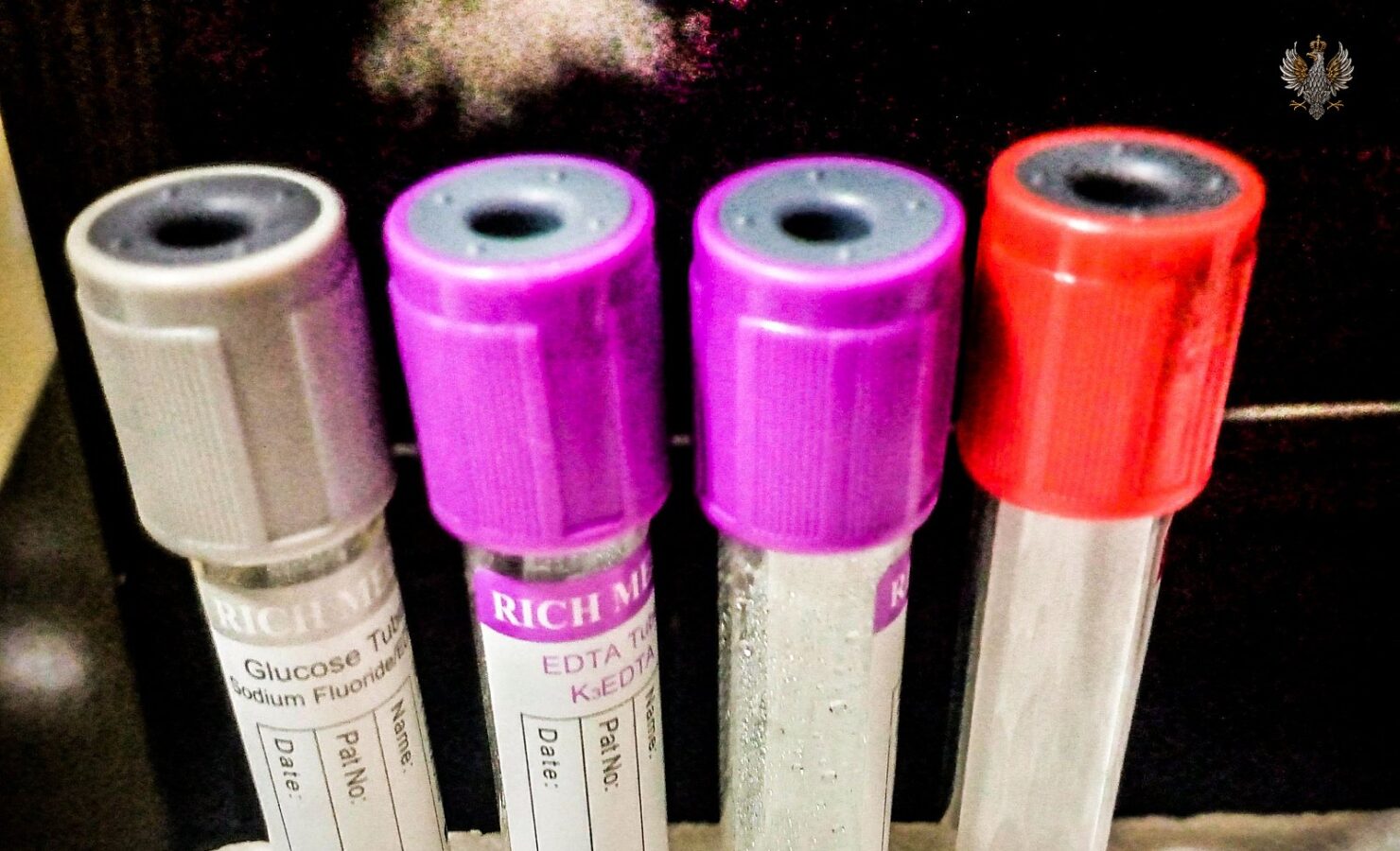
On 3 November 2026 the UK Health Security Agency (UKHSA) announced a human biomonitoring study. It will measure the levels of chemicals present in people’s bodies and what they may mean for health.
The study will cover PFAS (so-called “forever chemicals”), lead, arsenic, bisphenols, phthalates and flame retardants, among others. Blood and urine samples will come from the existing Health Survey for England. First results are expected in 2027.
Analysis
The aim is to establish a baseline – typical background exposure across the population. Without such data it is hard to judge whether an individual’s result is high or average. UKHSA recently published a PFAS evidence review, and the independent Committee on Toxicity is reviewing the health evidence.
What it means
PFAS are used in non-stick pans, rain jackets and packaging, among other things. They break down very slowly. This study does not signal a new threat – it is meant to provide reliable data on which decisions can be based.
Risk
UKHSA does not currently recommend routine blood testing for PFAS. According to the agency, there is not enough evidence to determine what should follow from a single result. So be wary of paid online “toxin tests” promising more than science can currently say.
What to do
- If you are worried about your health, talk to your GP.
- Do not buy expensive “chemical” tests without medical advice.
- Air your home and wash your hands regularly – simple ways to limit contact with household dust, where various substances settle.
- Follow UKHSA announcements – results are due in 2027.
How to read this
This is the start of a study, not an alarm. We need to wait for the results. Until then it is worth staying calm and relying on your doctor’s advice, not on adverts.
Contact us
Have a question or need help in Polish? Email: [email protected], use the live chat on our website or call: 07508 267866 (Mon–Fri 9:00–13:00 and 15:00–18:00, Sat 11:00–14:00).
Sources: GOV.UK / UKHSA – UKHSA launches human biomonitoring study
We assess factual corrections and substantive responses. Verified changes are reflected in our reporting.
Contact the editorial desk →