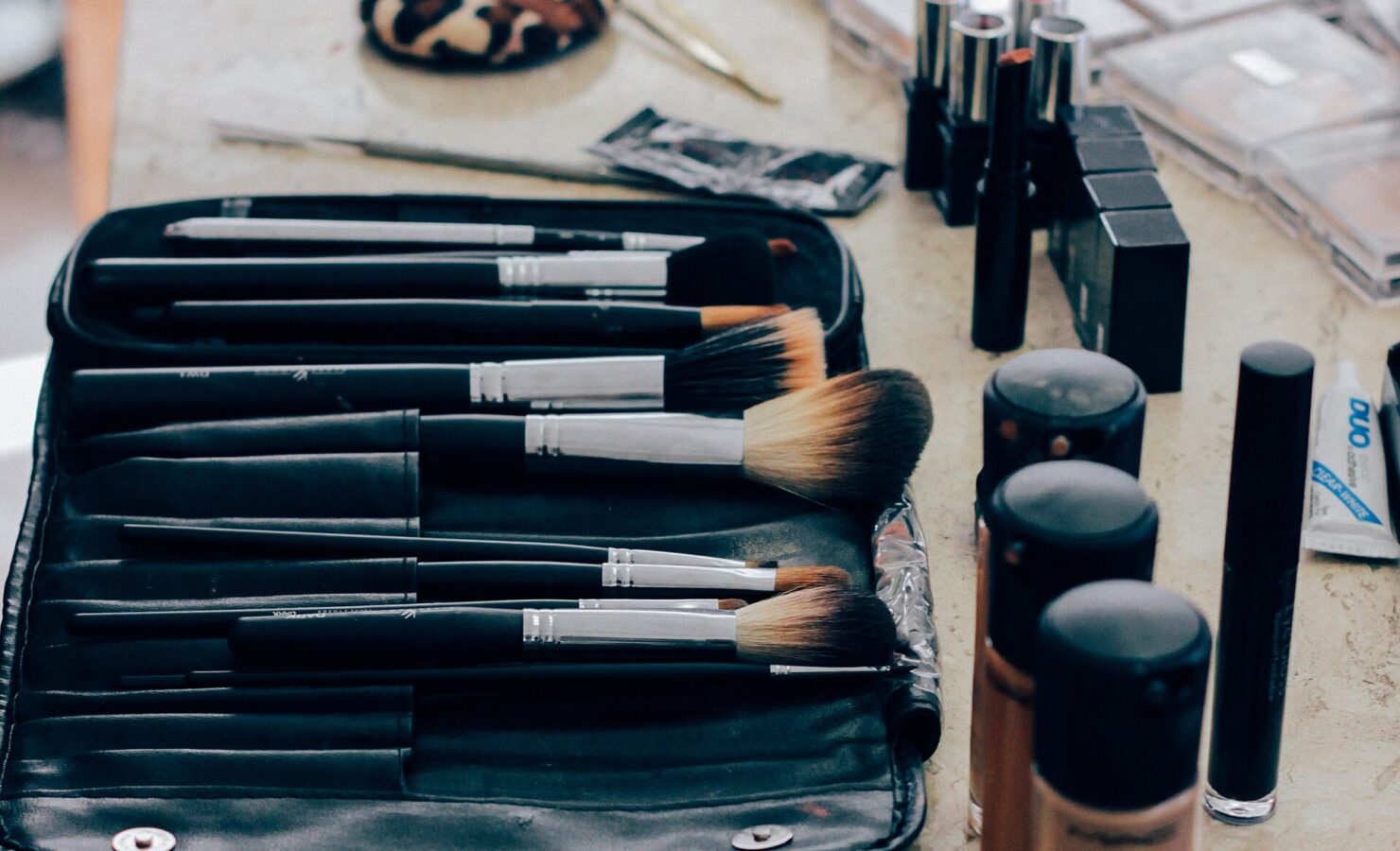
One in five young beauty shoppers knowingly buys fakes – and tests show counterfeit cosmetics can contain mercury, lead and methanol. On Monday 2 November the UK Intellectual Property Office (IPO) launched its “Face the Fakes” campaign, warning about counterfeit beauty products ahead of Christmas shopping.
What was found in the fakes
Trading Standards tested 50 seized counterfeit cosmetic products. Twenty of them – four in ten – failed on safety grounds. Findings included:
- mercury – 1.32% (13,200 ppm) in a skin-lightening cream; repeated exposure can damage the kidneys and nervous system;
- hydroquinone – 8.1% in another skin-lightening cream; it is banned in UK skin-lightening cosmetics and can cause permanent pigmentation changes;
- lead – high levels in lipsticks, eyeshadows and contour products, including 40 mg/kg in one contour kit; particularly risky for children and during pregnancy;
- methanol – around 80% in one counterfeit fragrance; it can cause serious poisoning, including damage to eyesight;
- nicotine – in a counterfeit perfume, although it is prohibited in cosmetics.
More people buying fakes knowingly
According to the IPO, 20% of 18 to 24-year-olds who bought beauty products in 2025 knowingly bought fakes, up from 6% in 2023. And 71% of people who bought counterfeit cosmetics and toiletries did so online.
Enforcement shows the scale. In July, Greater Manchester Police seized 1,666 counterfeit hair products. In a raid in Bolton, Trading Standards seized £2 million of counterfeit goods, including perfume, cosmetics, clothing and vapes.
“You cannot tell from the packaging what chemicals are inside,” warns independent toxicologist Rani Ghosh, quoted by the IPO.
What it means for Poles in the UK
Our view: the biggest risk lies in buying through social media and marketplaces, where the real seller is hard to check – exactly where many of us hunt for bargain gifts before Christmas.
The evidence: IPO data show 71% of counterfeit cosmetics purchases take place online. The IPO advises checking the actual seller, not just the platform.
Five rules from the IPO campaign:
- Check who is really selling. Buy from trusted retailers, official brand websites or authorised sellers.
- Be suspicious of unusually low prices and pressure tactics such as “last few left”.
- Don’t rely only on attractive images and glowing reviews. Check the ingredients and company details.
- When the parcel arrives, check the packaging for an ingredients list, batch number, company name and address, and safety warnings. Blurry print, spelling errors or a different smell or texture are warning signs.
- If you suspect a fake, don’t use it. Keep the product, packaging, receipt and seller details, and report it to Trading Standards.
A note for beauty salons
Many Polish beauty, hair and nail salons operate in the UK. The IPO campaign also includes new guidance for salons and beauty businesses, shared through trade bodies. For salon owners this matters: a product from an uncertain source used on a client is a risk to the client’s health and to the business’s reputation. Buy from wholesalers and distributors who provide full product details and documentation.
Sources:
We assess factual corrections and substantive responses. Verified changes are reflected in our reporting.
Contact the editorial desk →