Shares in Alstom, the world’s second-largest train maker, fell by almost 30% in Paris on Monday 2 November after the company cut its forecasts for the second time this year. According to The Irish Times, the stock dropped to €11.28, taking its losses since the start of the year to around 55%.
What Alstom announced
As Reuters reported, the French group cut its adjusted operating margin forecast for the current financial year (to March 2027) from about 6.5% to about 1%. Instead of positive cash flow, it now expects an outflow of around €1.5bn. Production is expected at about 4,000 rail cars rather than 4,400–4,500. In the first half the margin was about minus 4%, against plus 6.4% a year earlier.
The main problem is the Coradia Max regional trains ordered by German states. Testing and approval issues have delayed deliveries – the first units are now expected only in 2028, which will trigger contractual penalties. Chief executive Martin Sion admitted there were “problems in development and project management” on the programme. The company announced a plan to cut debt by about €2bn and is considering asset sales.
The order book remains strong: first-half orders rose 5% to €11bn.
Why it matters in the UK
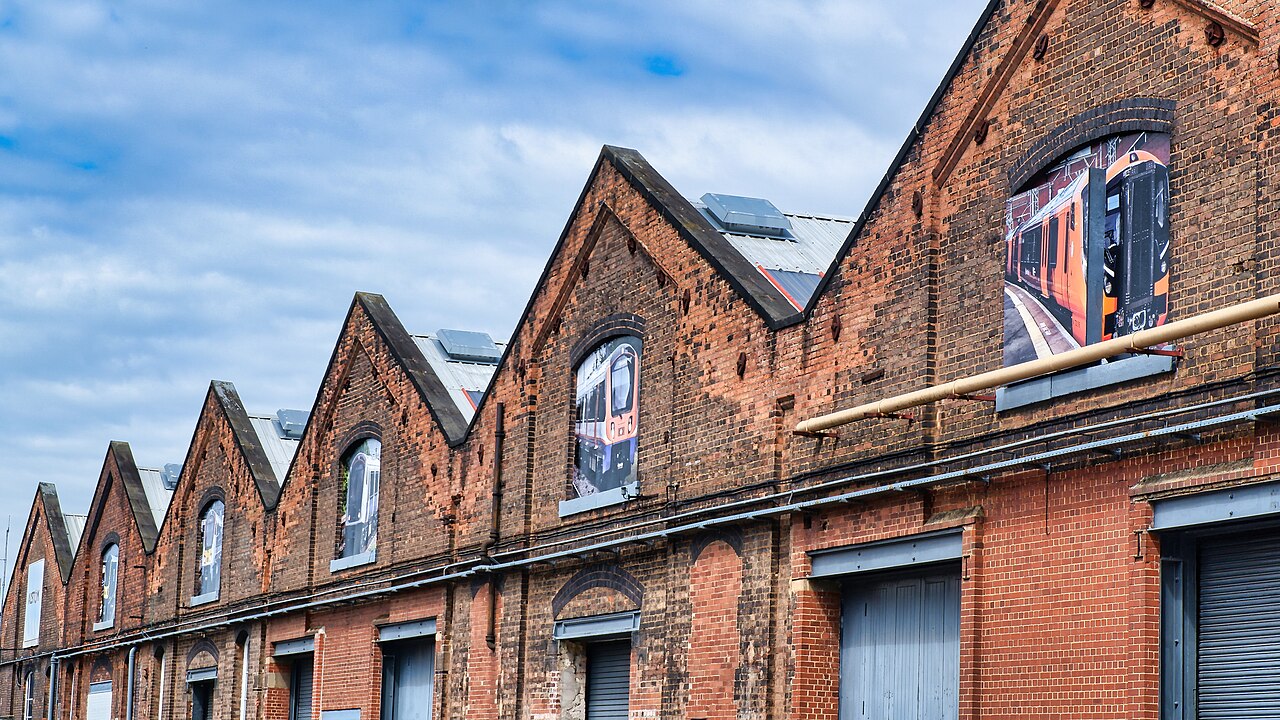
Alstom is not only a French story. In the UK it directly employs nearly 4,900 people at 36 sites and, by its own account, supports around 11,000 jobs in its supply chain. Last year it spent more than £720m with almost 1,300 British suppliers, 33% of it with SMEs. At the heart of its UK operation is Litchurch Lane in Derby – the country’s largest train factory, where Class 345 trains for the Elizabeth line are built.
The company has announced no changes to its UK sites. But the argument is this: when a major customer burns cash, pressure quickly moves down the supply chain. The evidence is in the forecast itself – minus €1.5bn of free cash flow means the company will look for savings, and the €2bn debt-reduction plan adds to that pressure.
What a Polish firm in the supply chain should do
- Check payment terms. According to GOV.UK, business-to-business payment terms should usually be no more than 60 days. If no date is agreed, payment is late 30 days after the invoice is received or the work is delivered.
- Know your interest. On late business payments you can charge statutory interest of 8% plus the Bank of England base rate, unless the contract says otherwise.
- Avoid relying on one customer. If contracts with Alstom or its subcontractors make up a large share of turnover, consider credit insurance and diversification.
This article is for information only and is not legal or investment advice.
Sources:
We assess factual corrections and substantive responses. Verified changes are reflected in our reporting.
Contact the editorial desk →